中樞神經系統115-11 / 45
【115-1 醫學(一) 第6題】下列何者不位於視網膜到大腦皮質的視覺傳導路徑(visual pathway)上?
共 45 題。
【115-1 醫學(一) 第6題】下列何者不位於視網膜到大腦皮質的視覺傳導路徑(visual pathway)上?
【115-1 醫學(一) 第4題】杏仁核(amygdala)以何構造與隔區(septal area)相連結?
【115-1 醫學(一) 第3題】下肢本體感覺(propioception)經由內側蹄系(medial lemniscus)主要傳入丘腦(thalamus)何處?
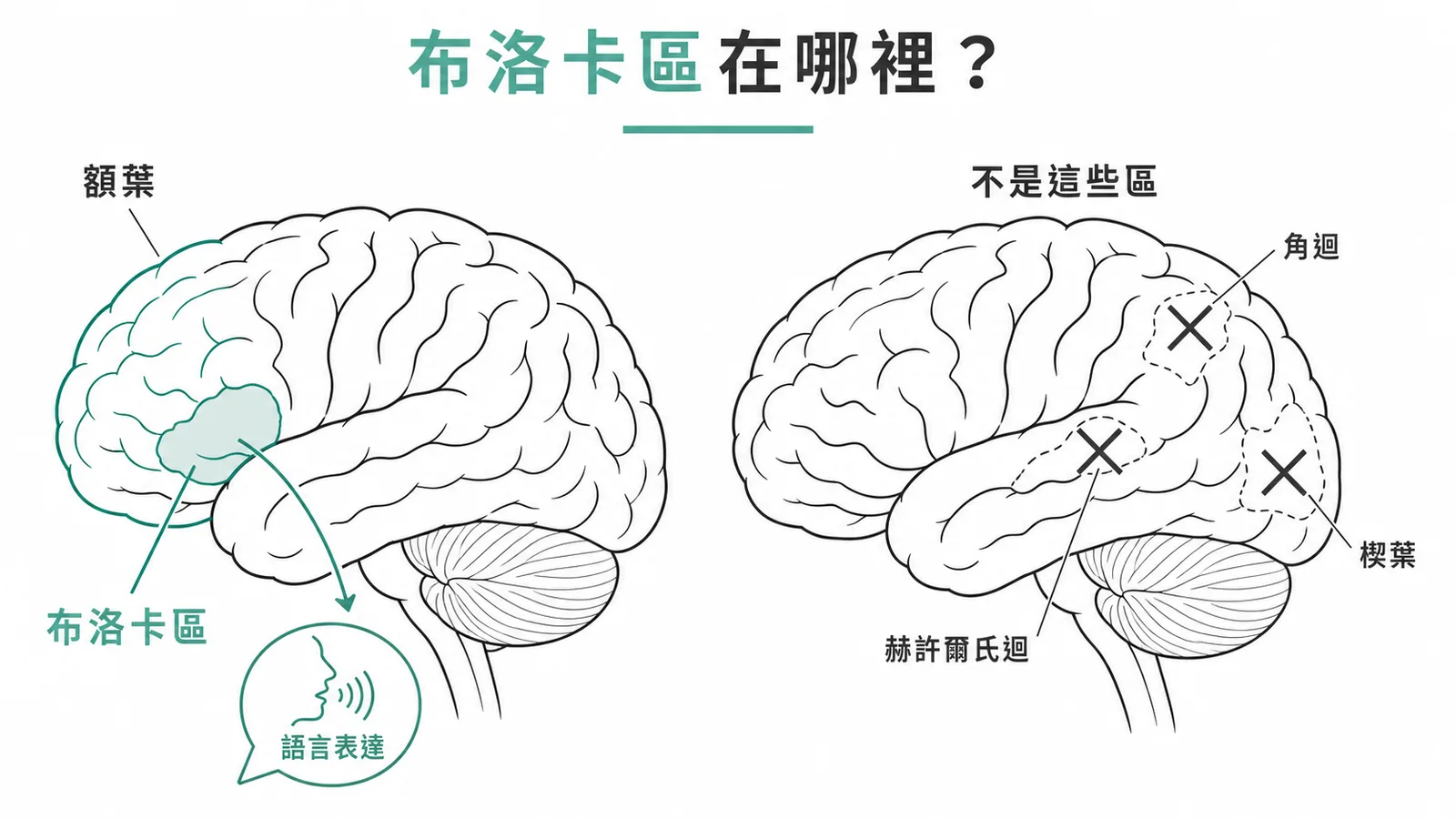
【114-2 醫學(一) 第6題】下列何者位於大腦額葉?
詳解
破題關鍵
額葉是負責思考、計畫和語言表達的大腦區域。
選項拆解
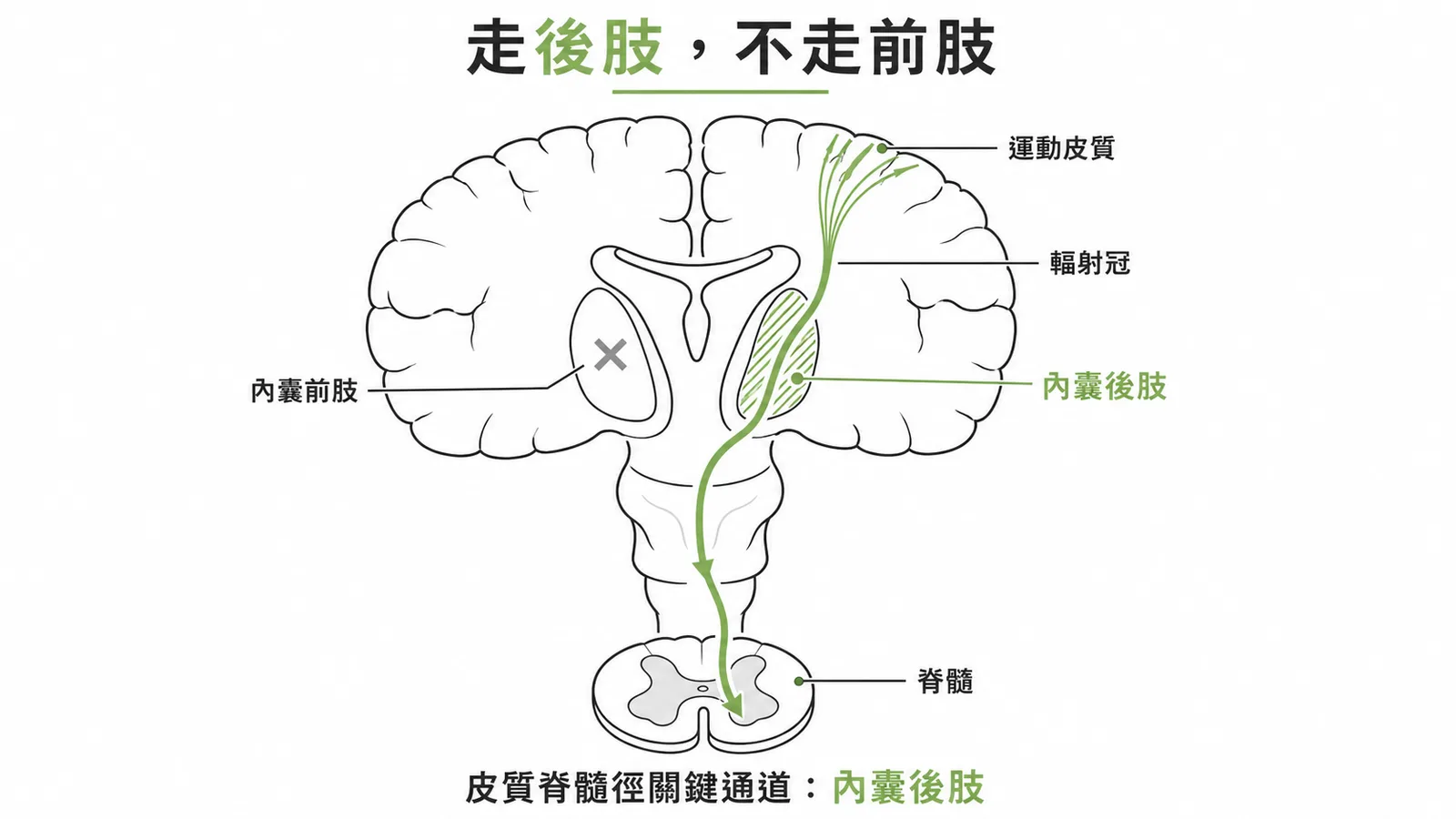
【114-2 醫學(一) 第4題】從大腦皮質發出至脊髓的大腦皮質脊髓徑(corticospinal tract),一般不通過下列何處?
詳解
破題關鍵
大腦皮質脊髓徑通過內囊的「後肢」,而不是前肢。
選項拆解
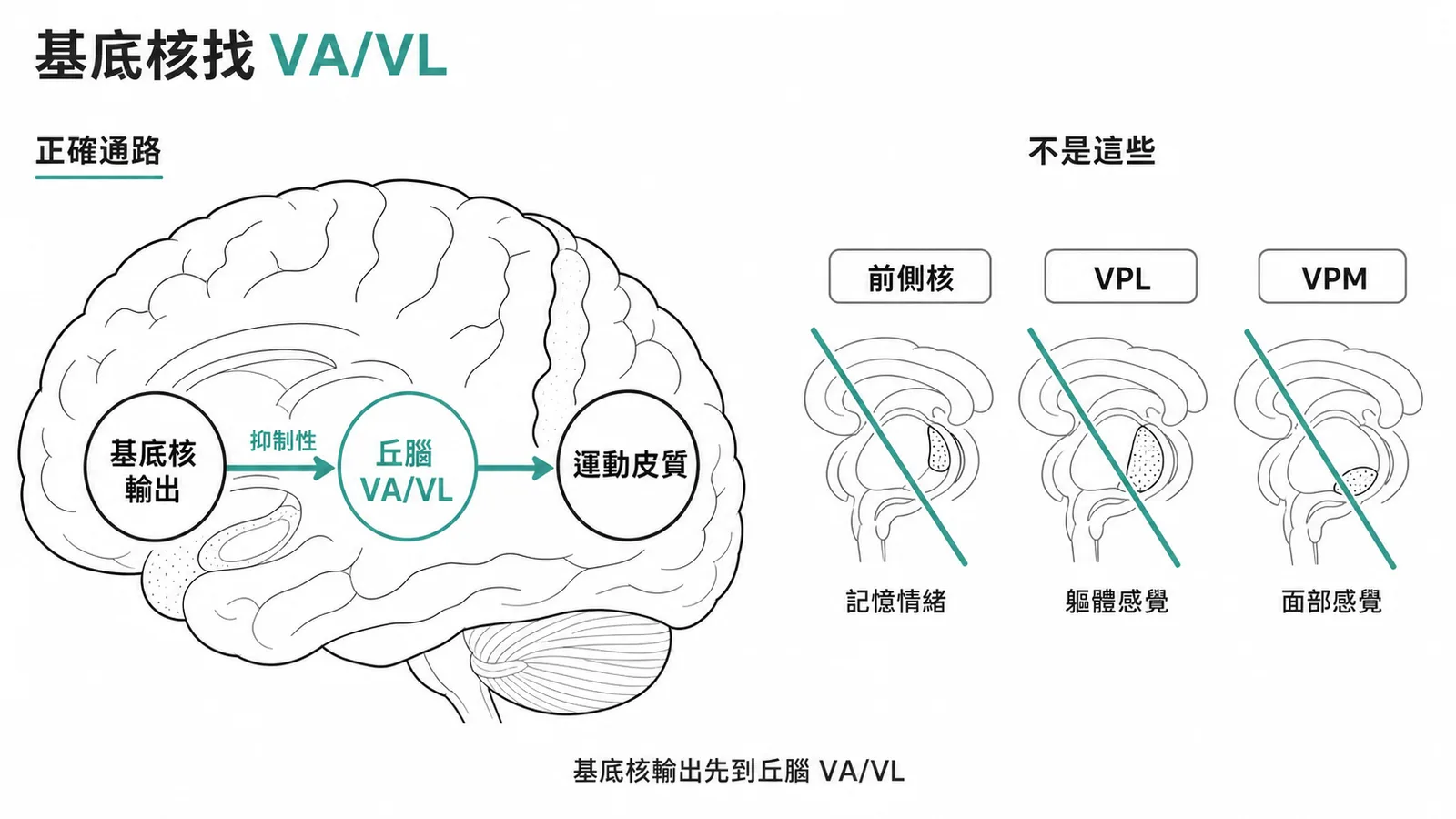
【114-2 醫學(一) 第3題】基底核(basal ganglia)傳出的神經纖維進入下列丘腦(thalamus)的那一個核區?
詳解
破題關鍵
基底核的輸出主要透過丘腦的特定核區,再投射到大腦皮質,形成運動迴路。
選項拆解
【114-1 醫學(一) 第4題】下列有關巴金森氏病(Parkinson's disease)之敘述,何者錯誤?
詳解
破題關鍵
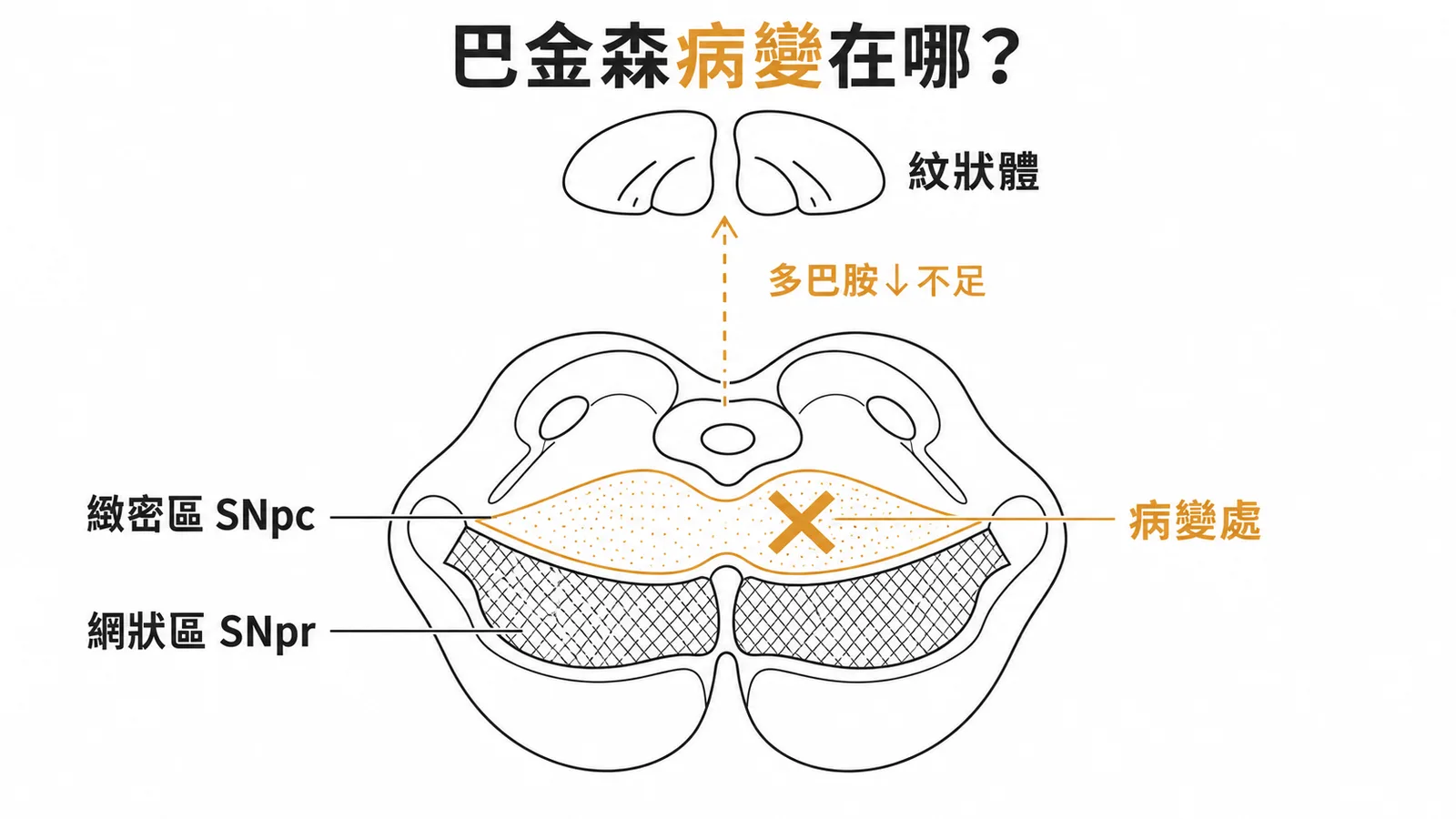
巴金森氏症的「病根」在哪裡?是哪種細胞出了問題?
選項拆解
【114-1 醫學(一) 第3題】關於前脈絡叢動脈(anterior choroidal artery)之敘述,下列何者錯誤?
詳解
破題關鍵
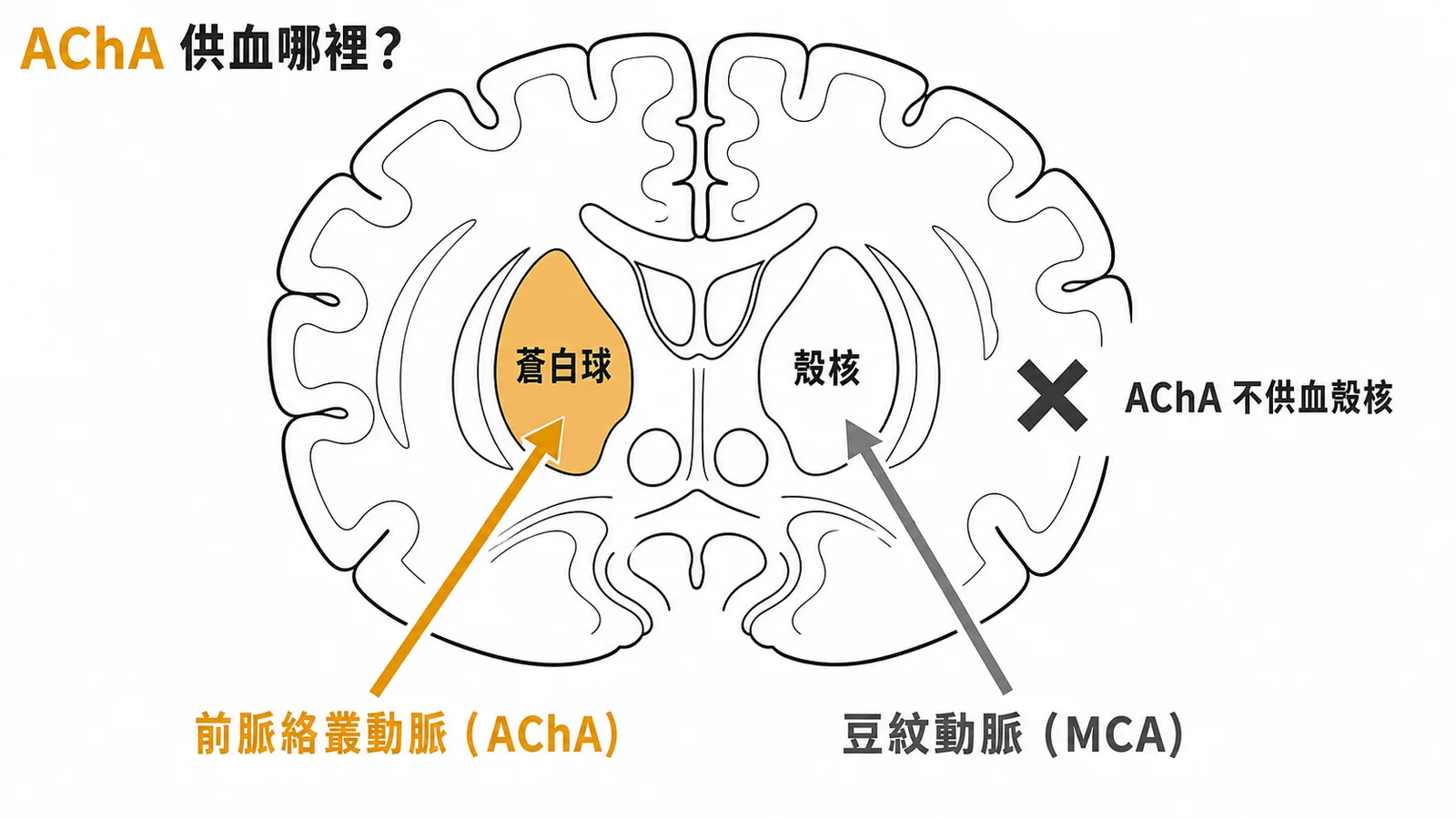
前脈絡叢動脈的供血範圍,基底核中它主要負責哪一部分?
選項拆解
【113-2 醫學(一) 第5題】有關丘腦(thalamus)功能之敘述,下列何者錯誤?
詳解
破題關鍵
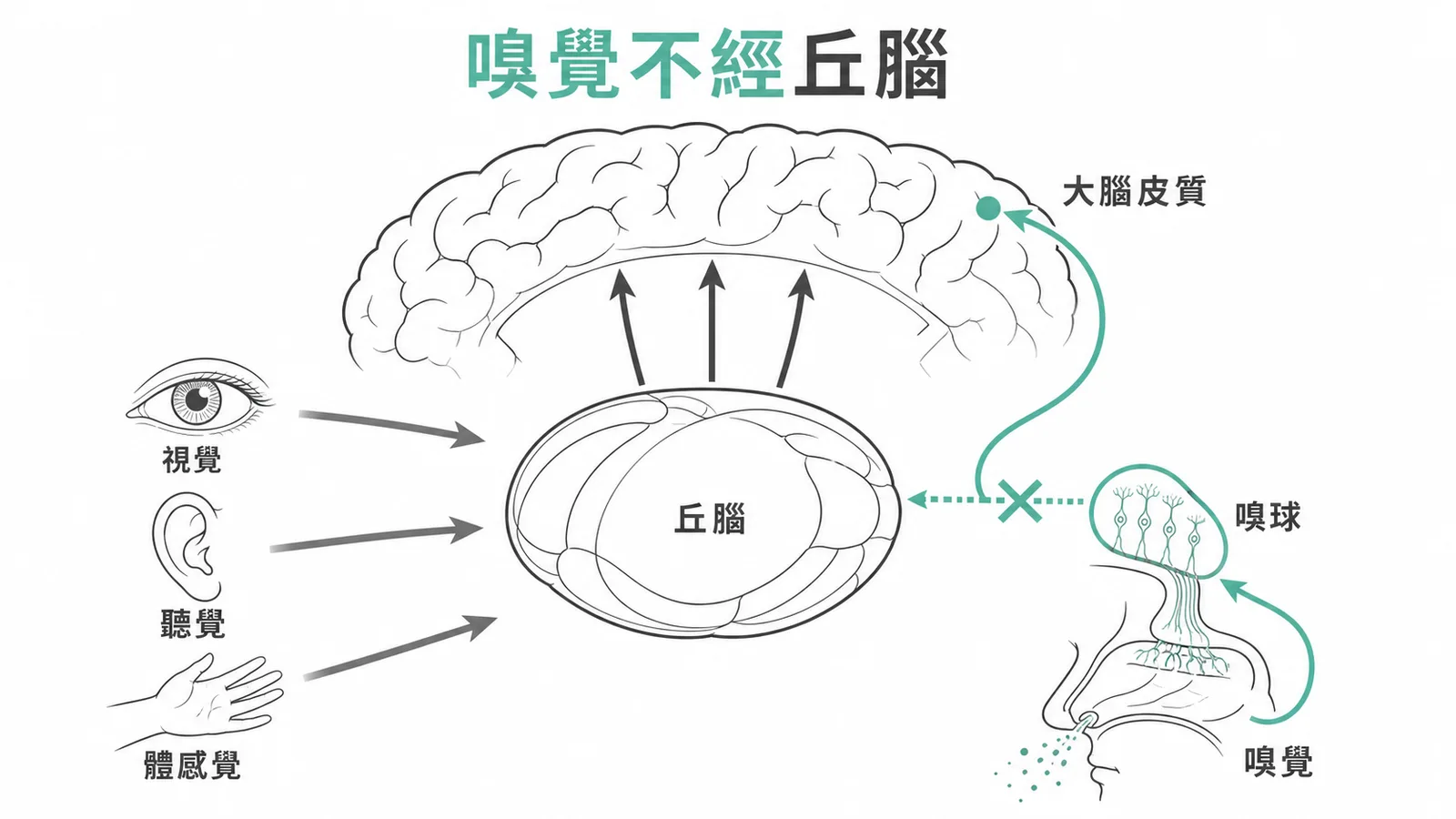
丘腦是感覺和運動訊息傳遞到大腦皮質的「中繼站」,每個核團都有其特定功能。
選項拆解
【113-2 醫學(一) 第4題】下列何者由杏仁核(amygdala)發出,傳遞至下丘腦(hypothalamus)?
詳解
破題關鍵
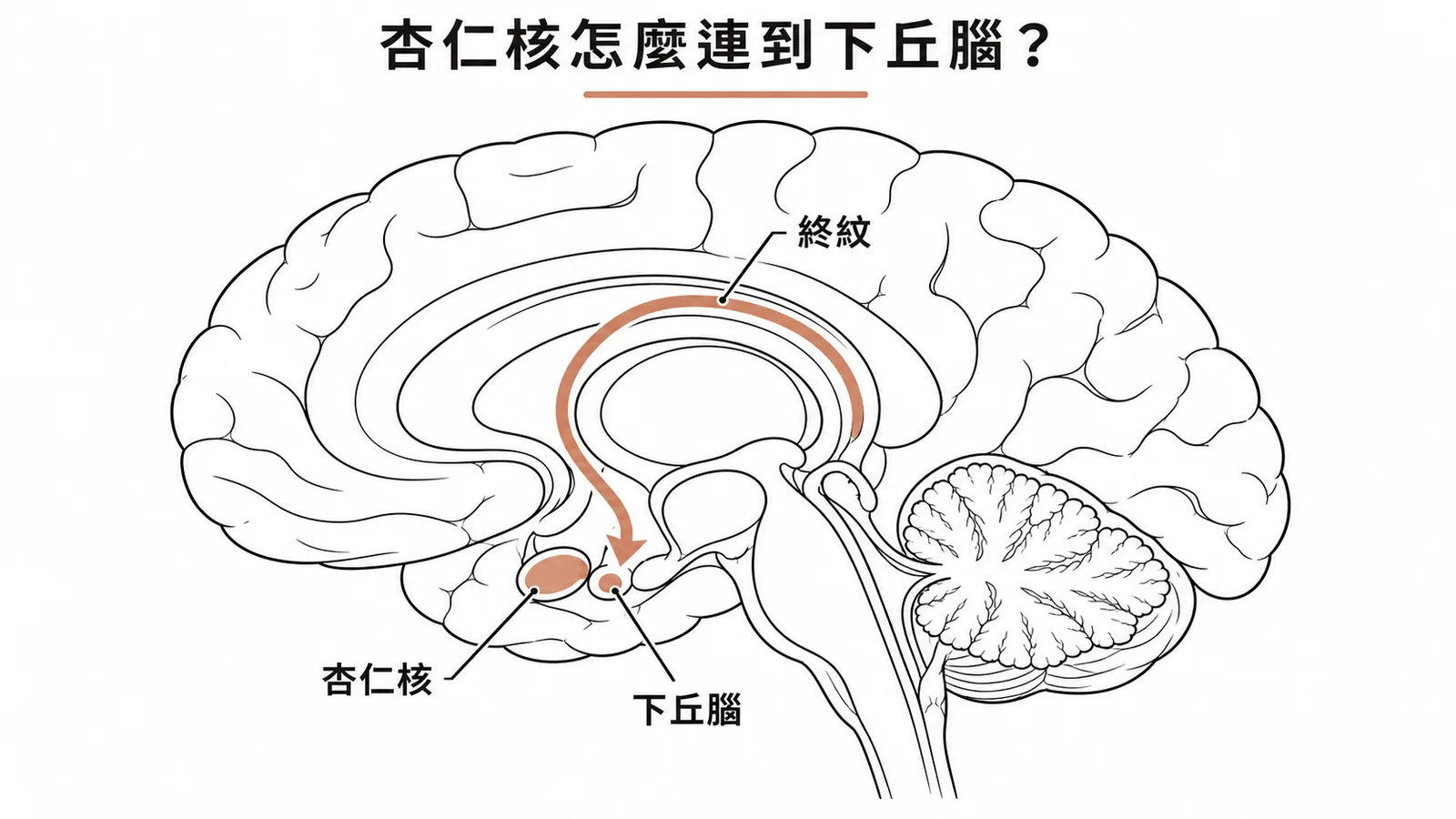
杏仁核是情緒中樞,它與下丘腦的連結是調節情緒反應的重要路徑。
選項拆解
【113-2 醫學(一) 第3題】小腦傳出的神經纖維經丘腦(thalamus)後主要傳遞至下列何處的大腦皮質(cerebral cortex)?
詳解
破題關鍵
小腦的主要功能是協調運動,所以它最終會影響大腦皮質的運動相關區域。
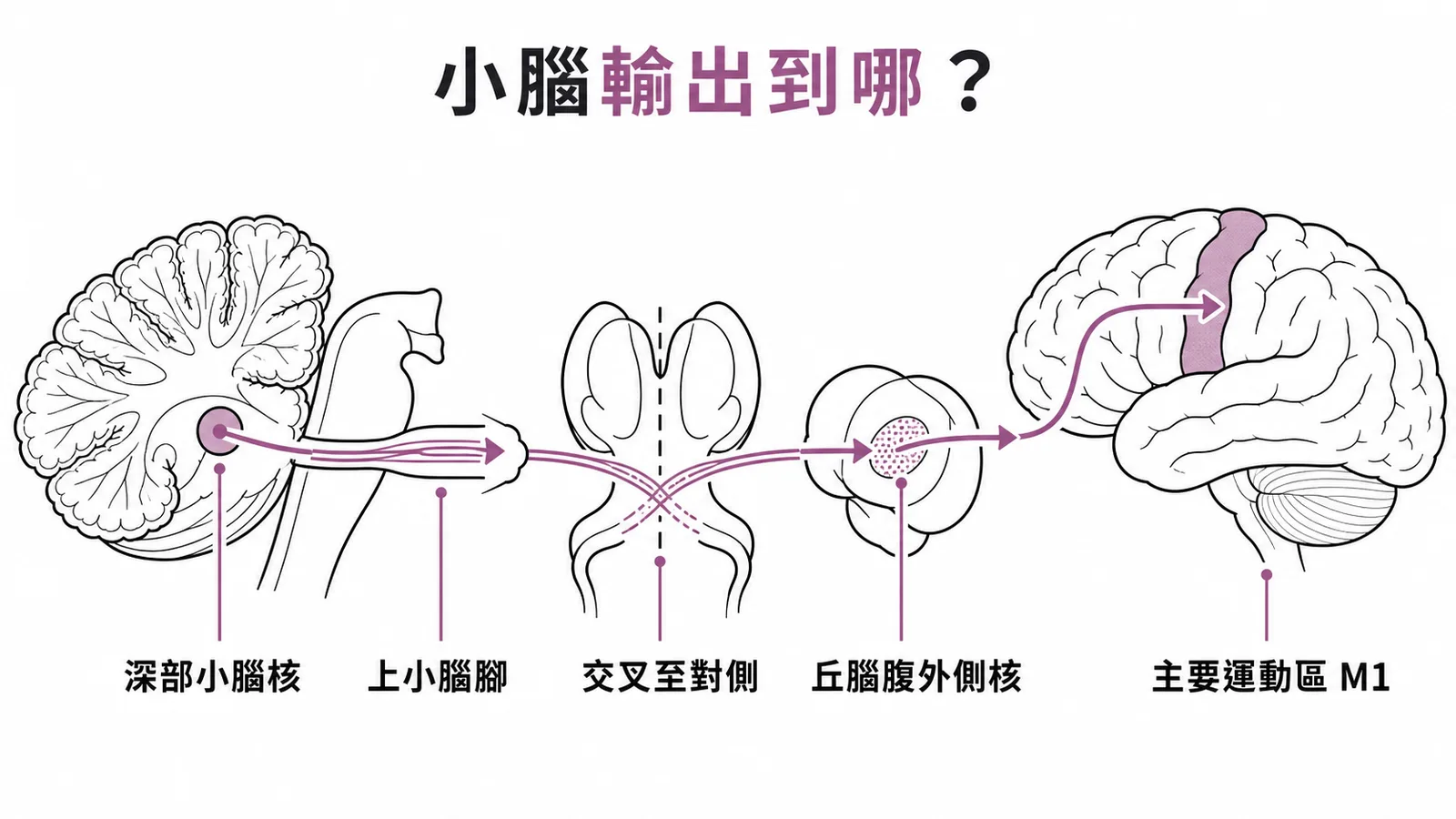
選項拆解
【113-2 醫學(一) 第2題】下列基底核(basal ganglia)的構造中,何者的神經組織相似,都屬於紋狀體(striatum)?
詳解
破題關鍵
基底核的分類有很多種,但從「神經組織相似」和「紋狀體」這兩個關鍵字,就能鎖定答案。
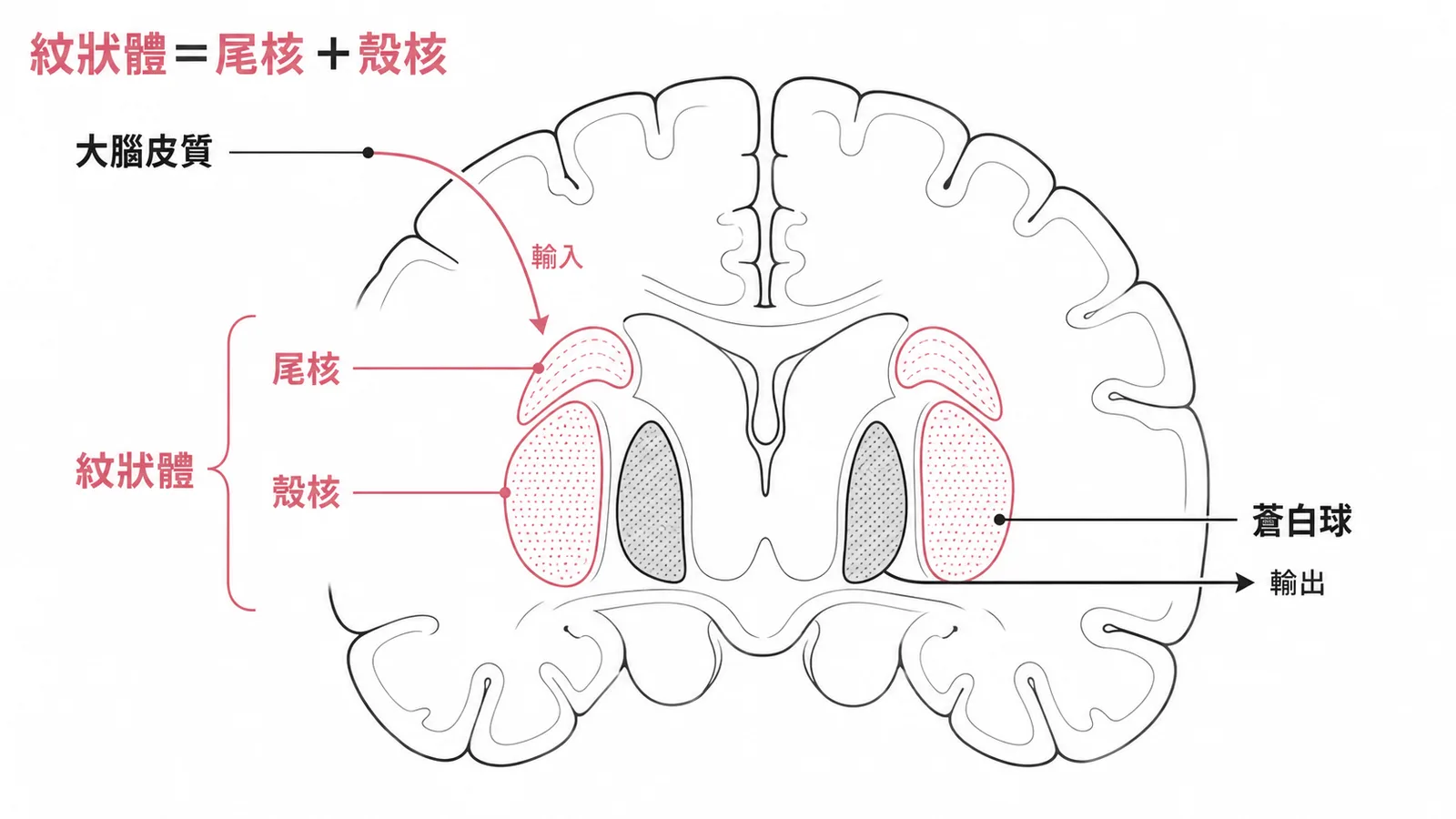
選項拆解
【113-1 醫學(一) 第4題】下視丘(hypothalamus)的那兩個神經核,其神經纖維進到腦下腺後葉(posterior lobe of pituitary gland)釋放激素?
詳解
破題關鍵
記住下視丘哪兩個核負責製造並釋放抗利尿激素和催產素到腦下腺後葉。
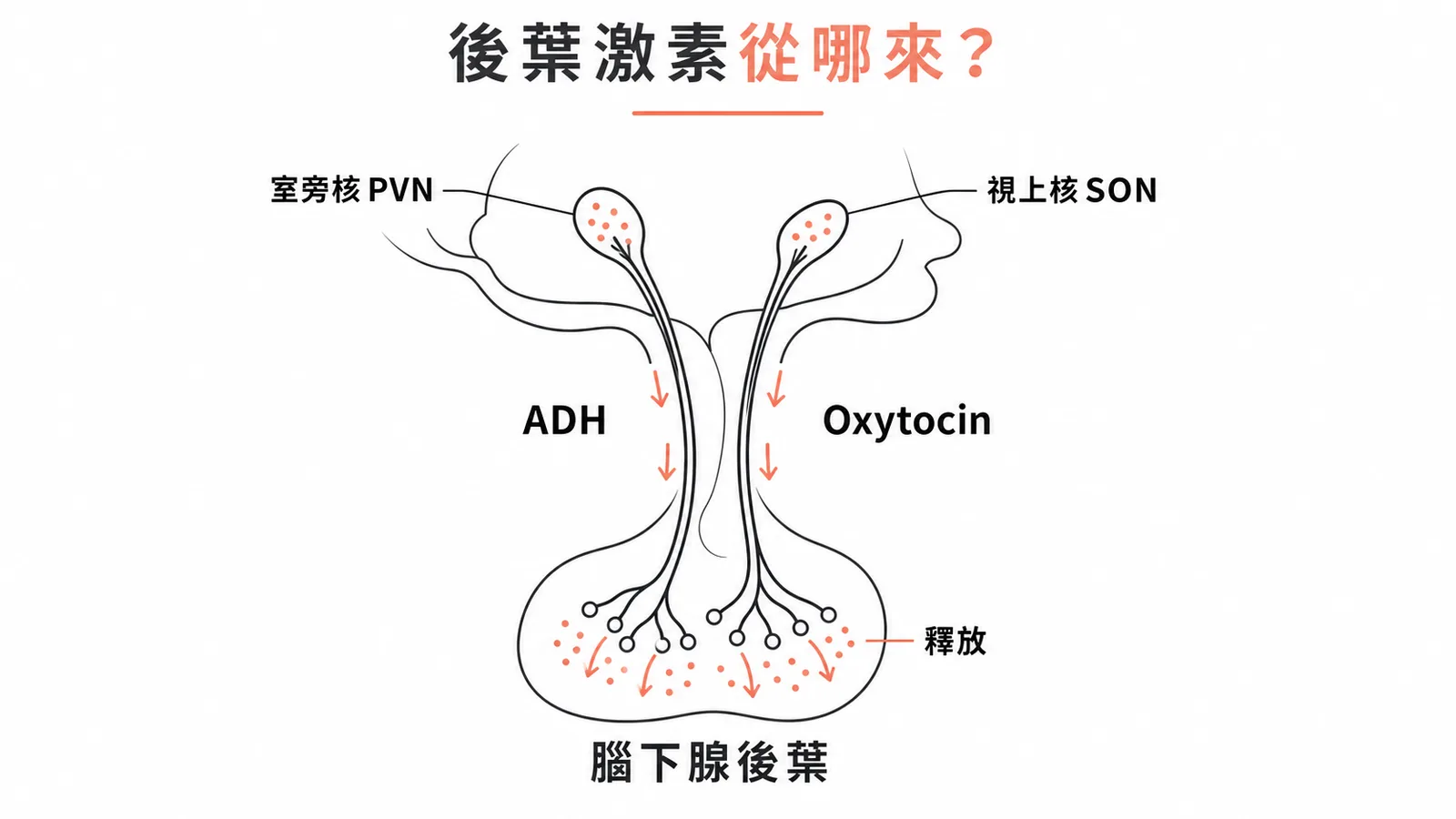
選項拆解
【113-1 醫學(一) 第3題】基底核(basal ganglia)傳出的神經纖維經丘腦(thalamus)後,一般不直接傳至下列何處之大腦皮質?
詳解
破題關鍵
基底核的輸出路徑,特別是它「不直接」傳到哪個皮質區,是這題的陷阱。
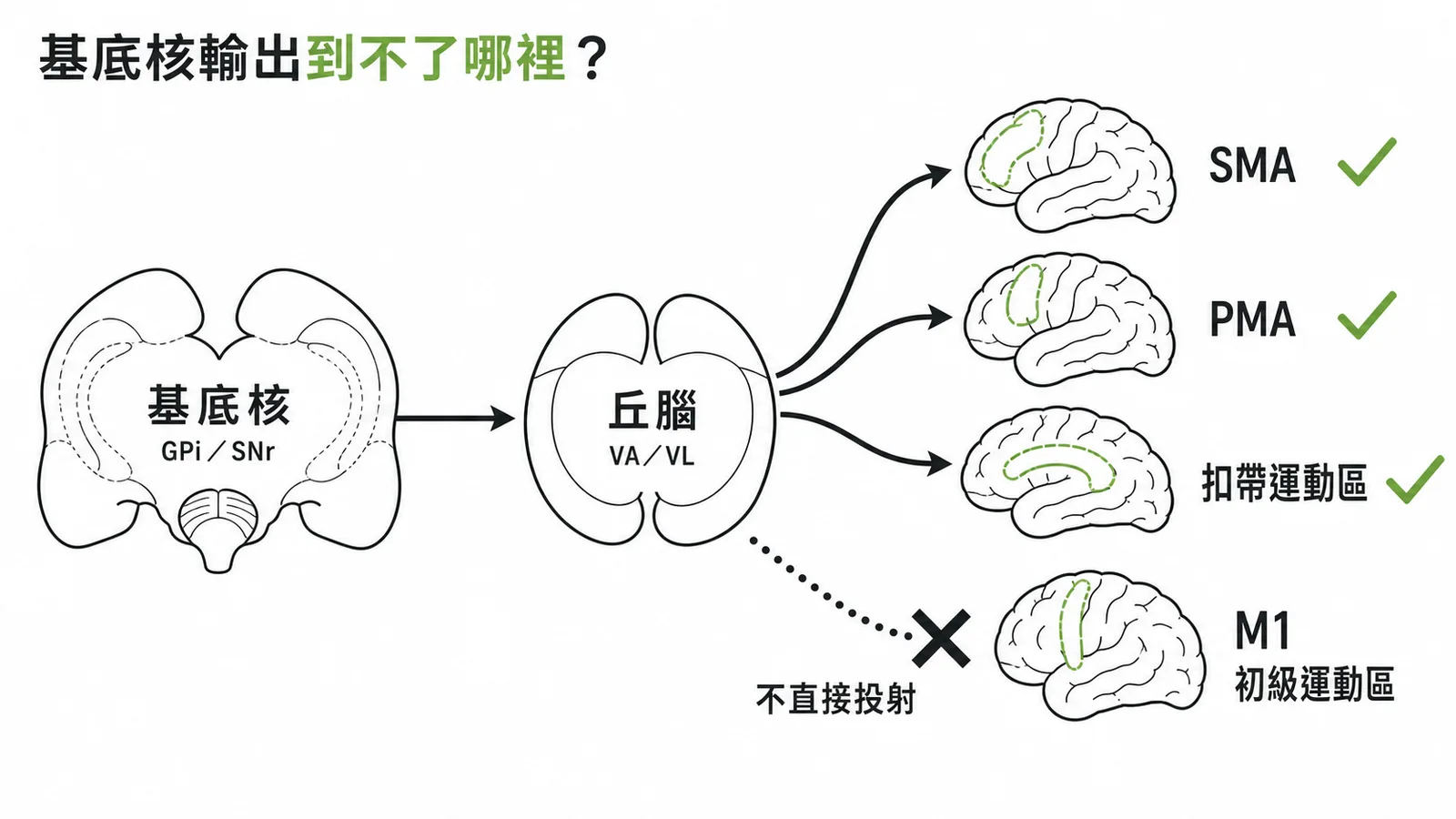
選項拆解
【113-1 醫學(一) 第2題】下列何者主要位於大腦半球的內側面,其周圍是初級視覺皮質(primary visual cortex)?
詳解
破題關鍵
初級視覺皮質的位置是解題關鍵,它位於枕葉內側面。
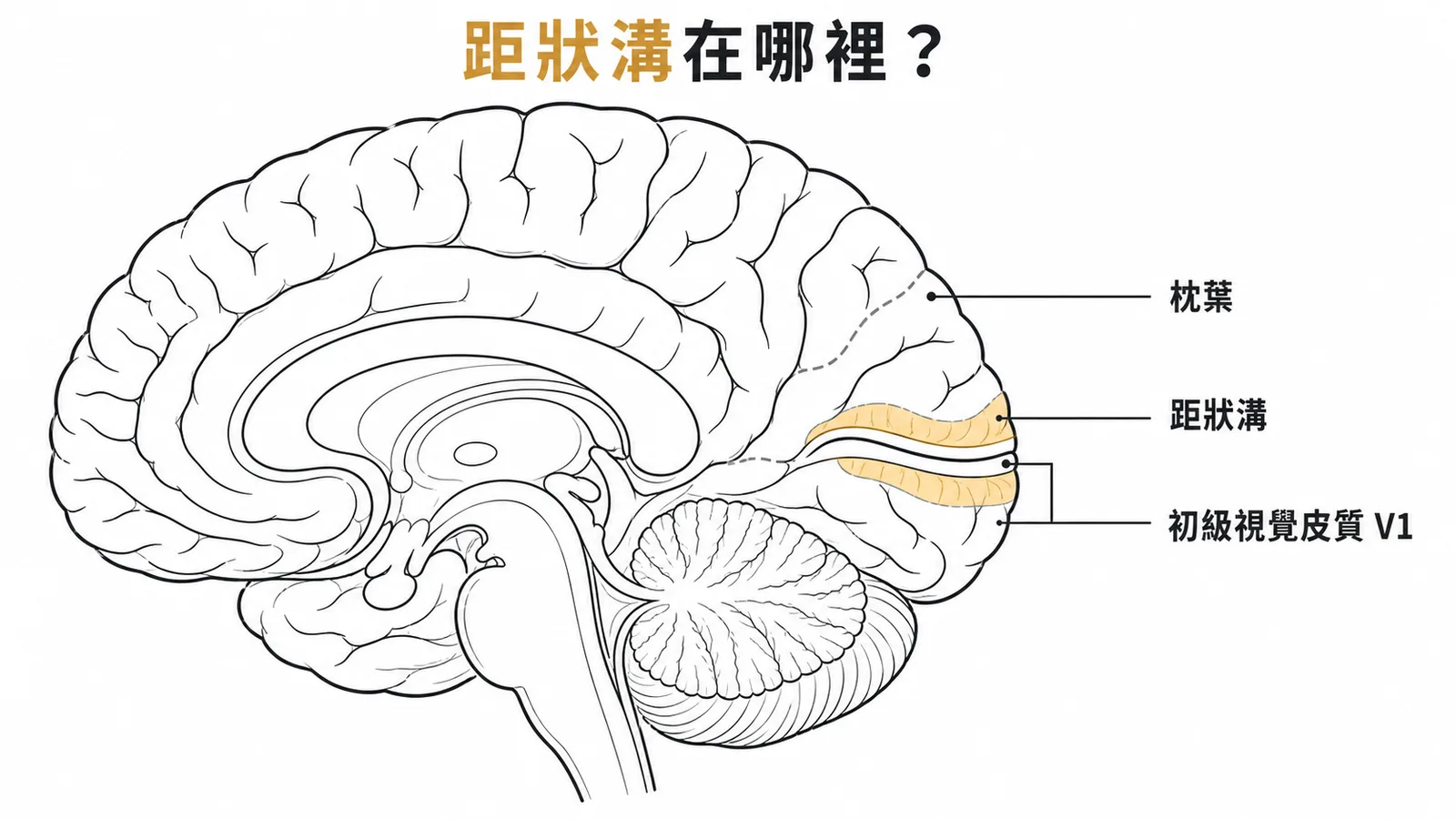
選項拆解
【112-2 醫學(一) 第4題】下列何者由海馬回(hippocampus)發出,傳遞至乳頭體(mamillary body)?
詳解
破題關鍵
海馬回與乳頭體之間的連結是邊緣系統中記憶迴路的重要組成部分。
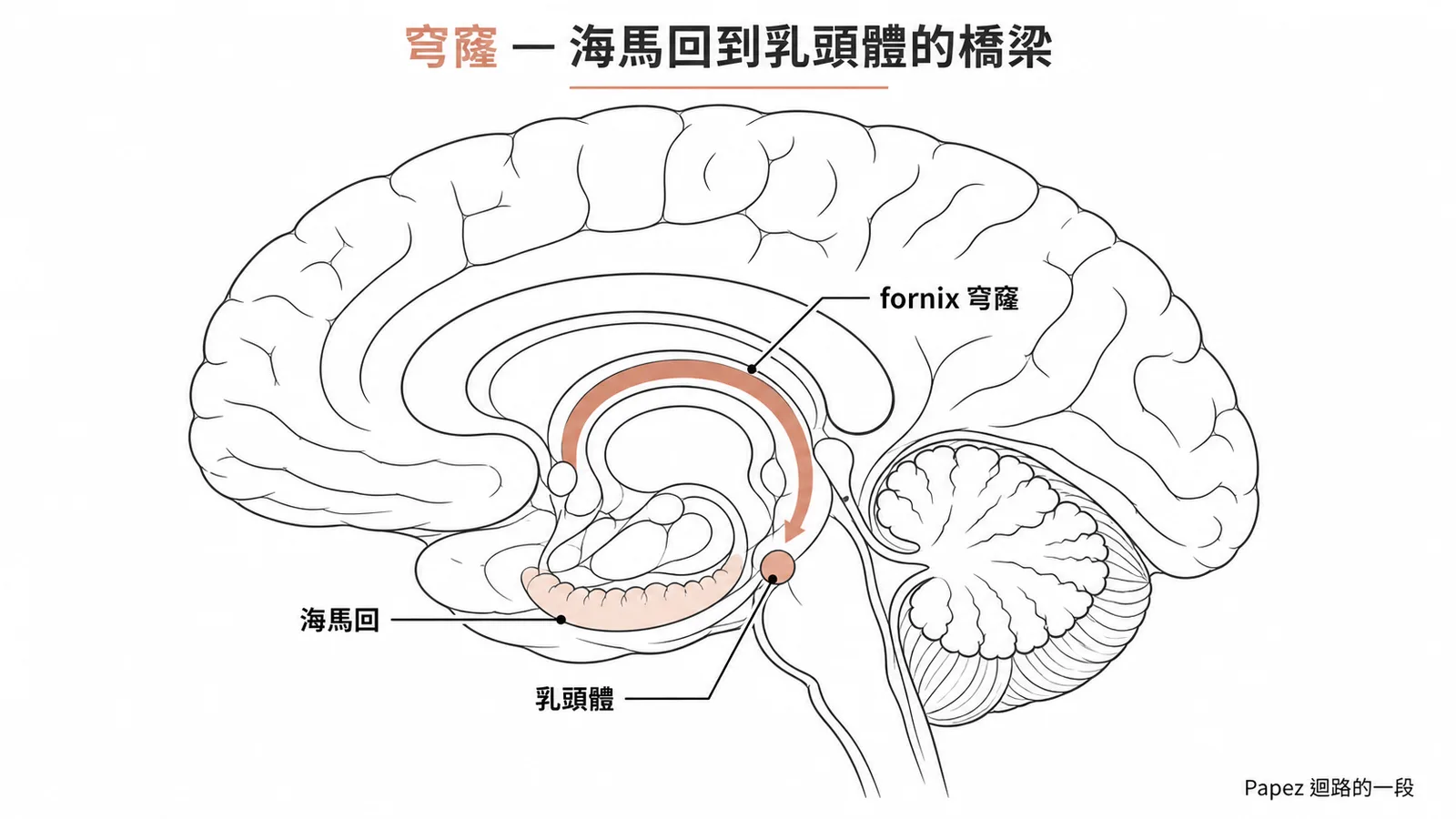
選項拆解
【112-2 醫學(一) 第3題】下列何者不是基底核直接迴路(direct basal ganglia pathway)傳遞路徑的主要構造?
詳解
破題關鍵
基底核的直接迴路是促進運動的,而丘腦下核主要參與抑制運動的間接迴路。
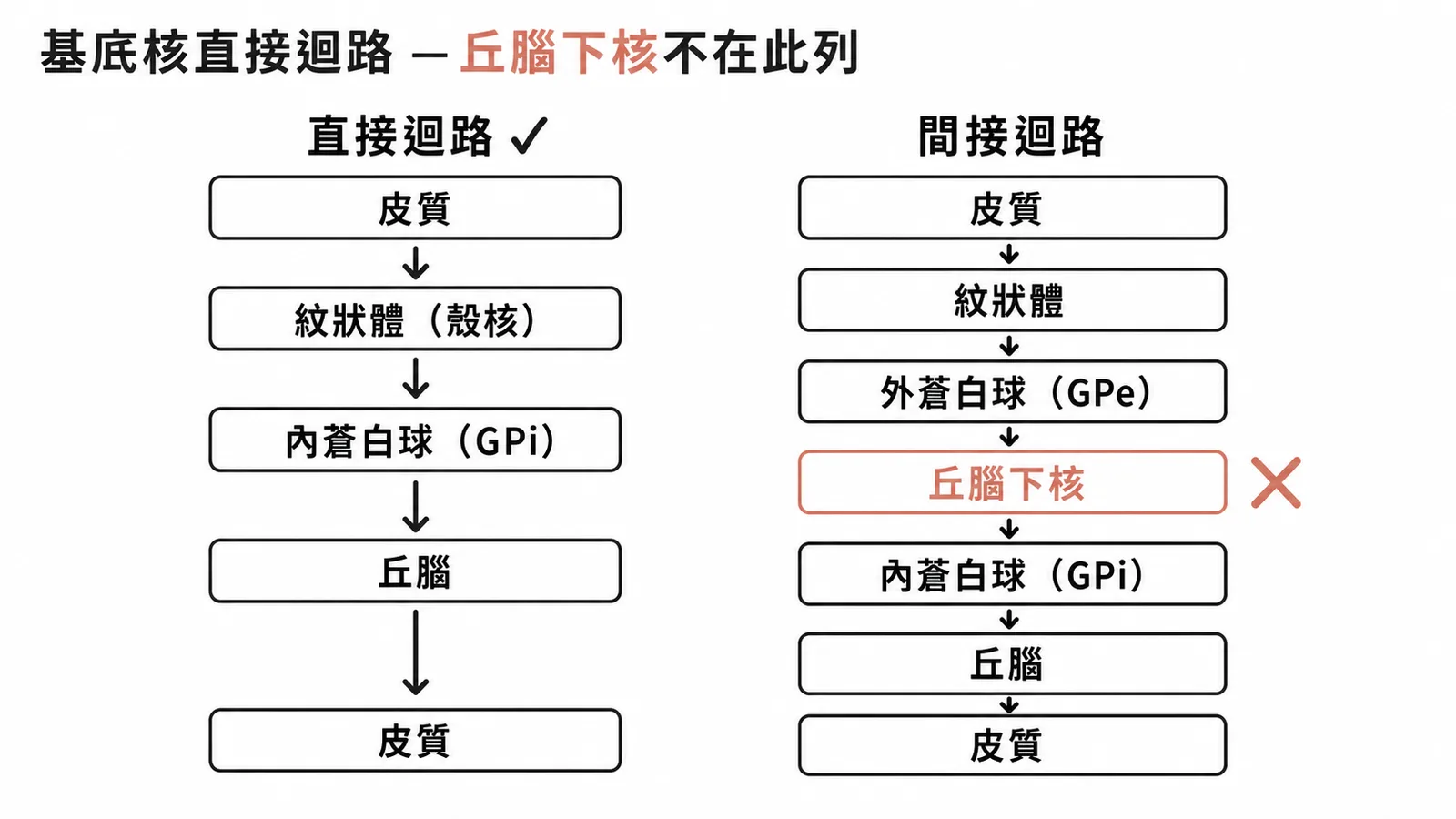
選項拆解
【112-1 醫學(一) 第4題】從海馬迴結構(hippocampal formation)至乳頭體(mamillary body)的穹窿(fornix)分為①體部(body)、②繖部(fimbria)、③柱部(columns)、④腳部(crura)四個部位,依序為下列何者?
詳解
破題關鍵
穹窿的結構是從海馬迴開始,往乳頭體延伸,記住這個方向就能排出順序。
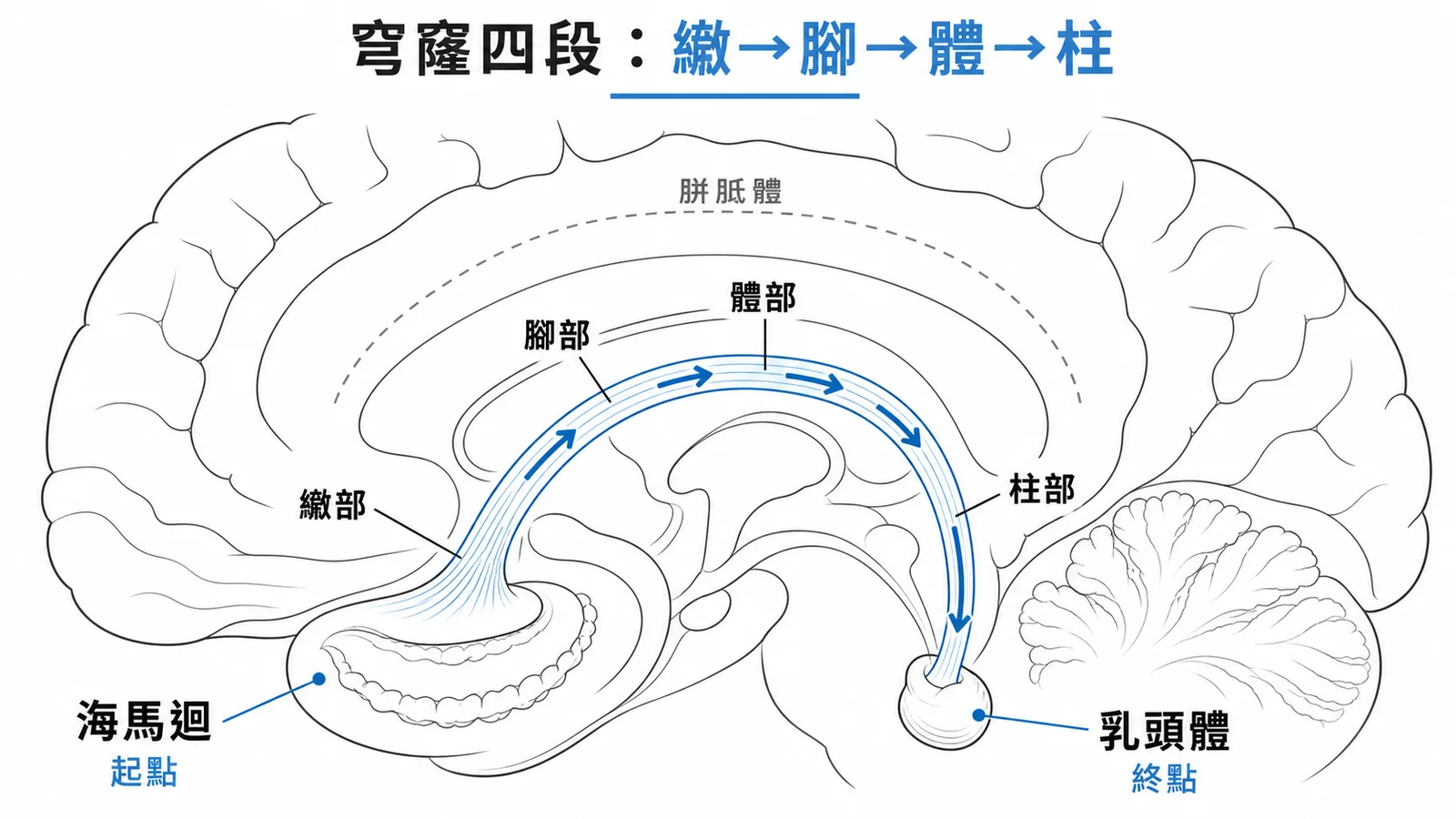
選項拆解
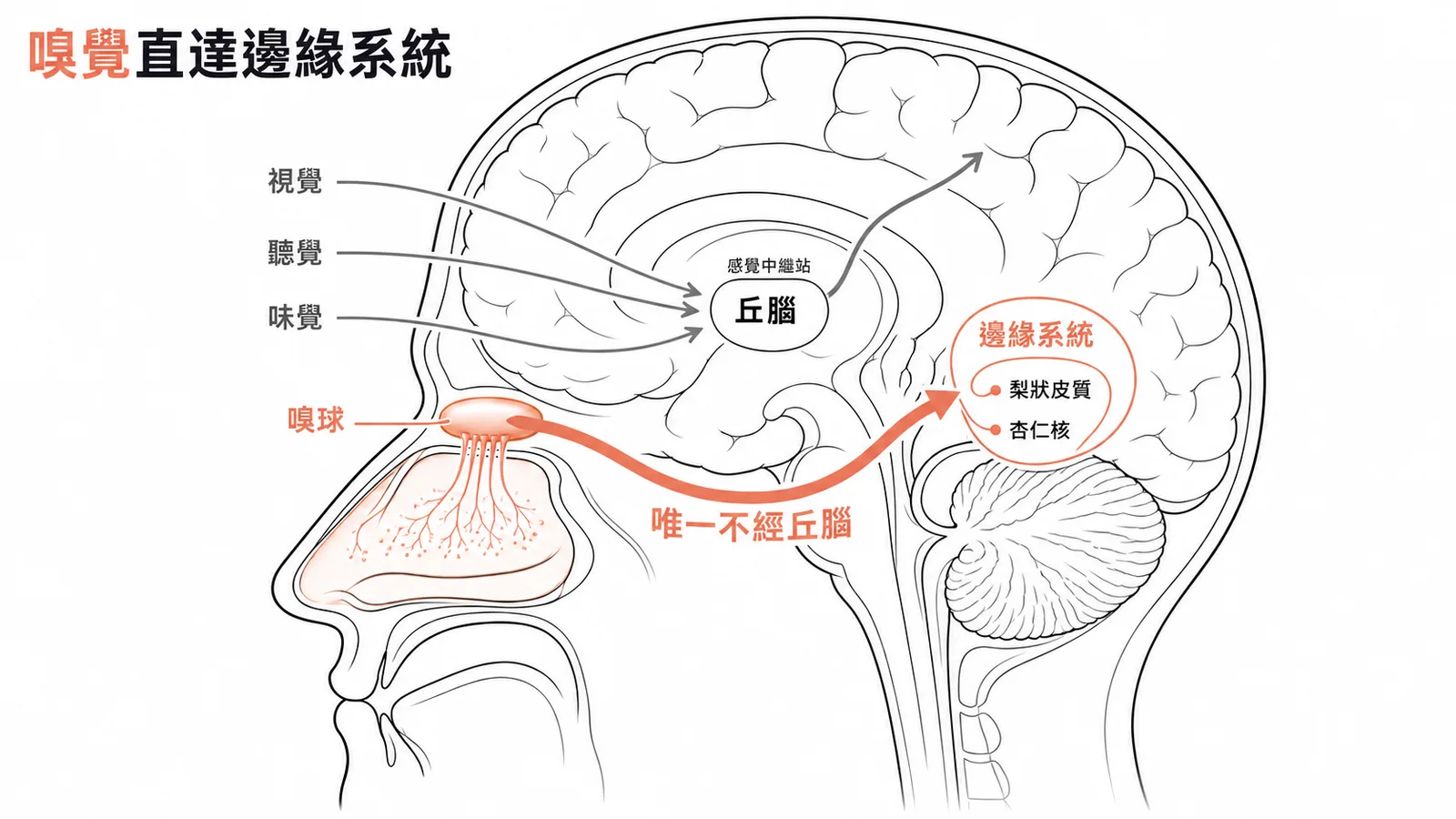
【111-2 醫學(一) 第4題】下列何者不經過丘腦(thalamus),直接傳入邊緣系統(limbic system)?
詳解
破題關鍵
大部分的感覺訊息都要先經過丘腦這個「中繼站」才能到達大腦皮質,但嗅覺是個特例。
選項拆解
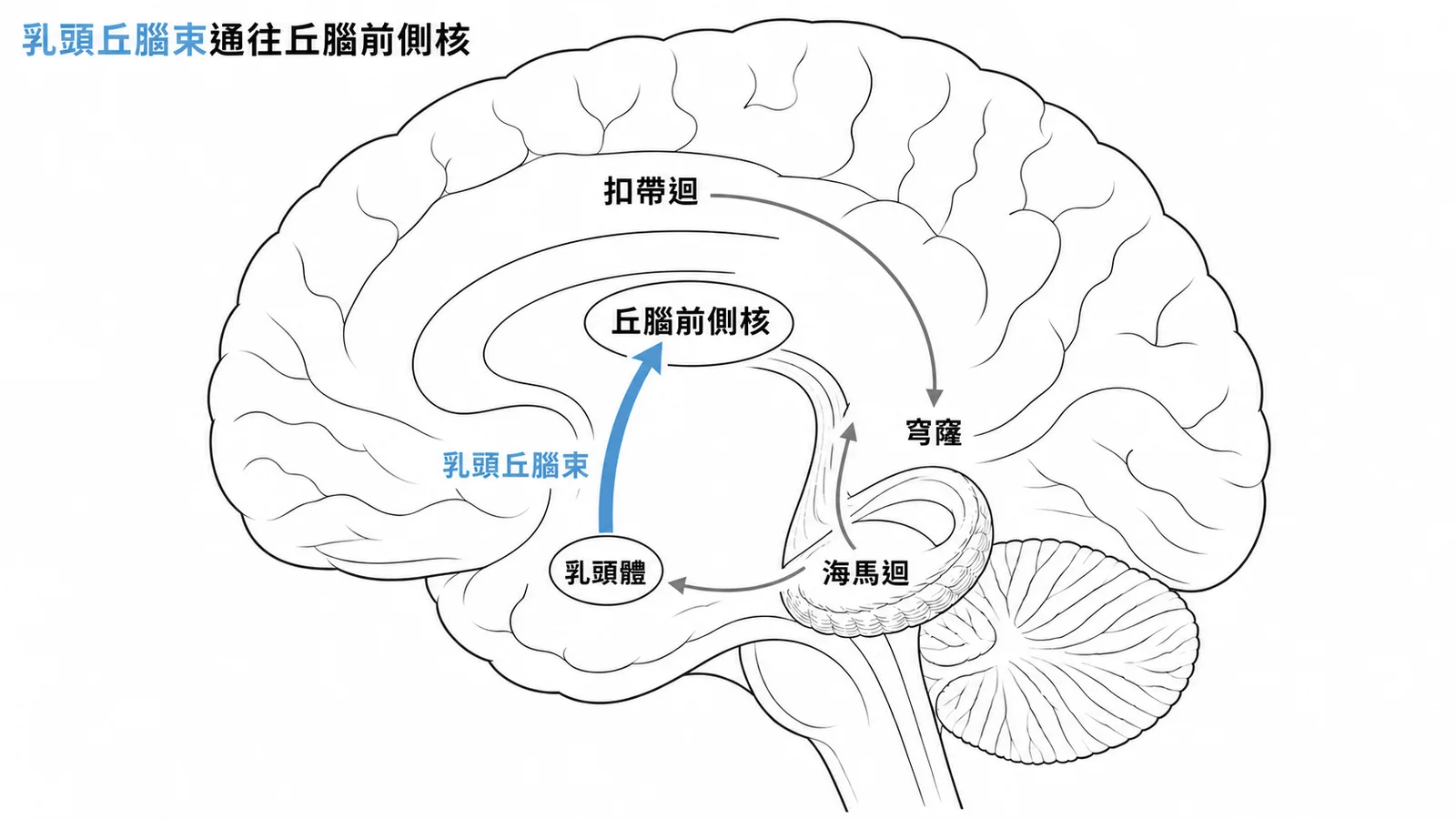
【111-2 醫學(一) 第3題】乳頭體(mamillary body)發出乳頭丘腦束(mamillo-thalamic fasciculus),主要進入丘腦(thalamus)的那一神經核?
詳解
破題關鍵
乳頭體是邊緣系統的一部分,它透過乳頭丘腦束將記憶相關的訊息傳遞到丘腦的特定核團。
選項拆解
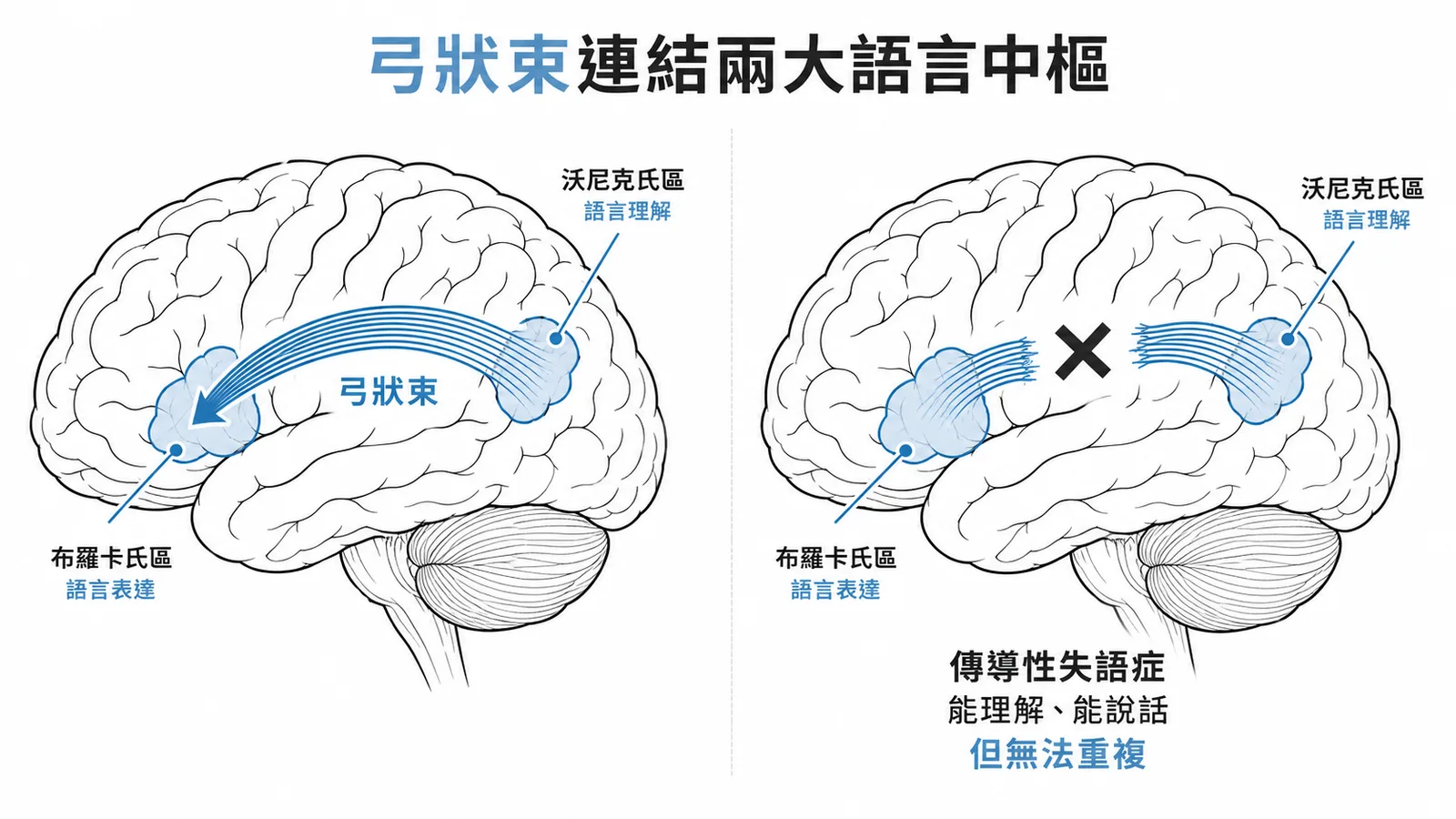
【111-2 醫學(一) 第2題】連結大腦皮質的布羅卡氏區(Broca's area)與沃尼克氏區(Wernicke's area)間的主要神經纖維束稱為:
詳解
破題關鍵
布羅卡氏區和沃尼克氏區是語言中樞,它們之間需要一條專屬的「高速公路」來溝通。
選項拆解
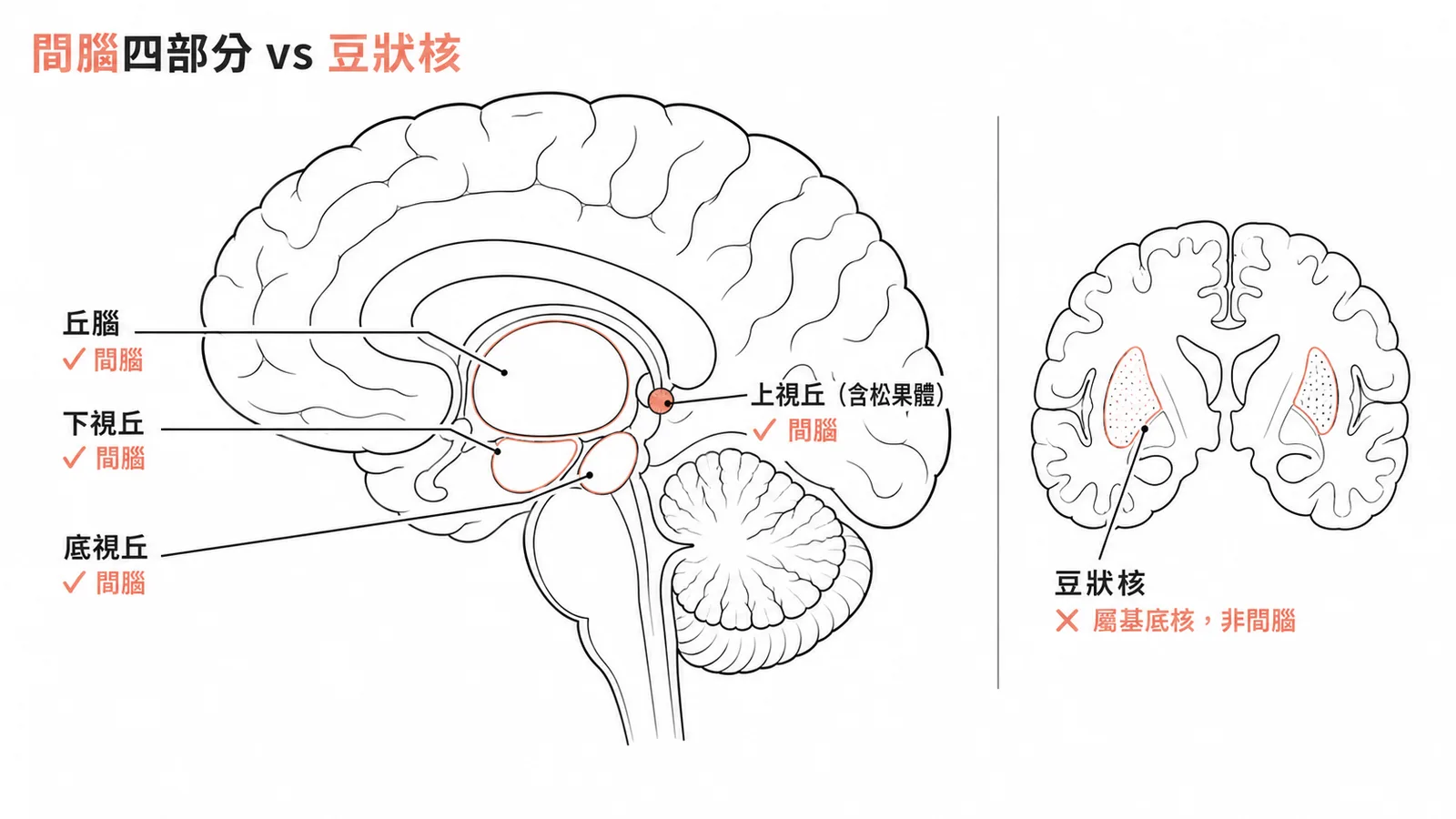
【111-1 醫學(一) 第6題】下列何者不是間腦(diencephalon)之構造?
詳解
破題關鍵
間腦是位於大腦深處的結構,主要包含丘腦、下視丘等,而豆狀核屬於基底核。
選項拆解
【111-1 醫學(一) 第3題】下列大腦皮質(cerebral cortex)的那一區負責控制兩眼外側注視(lateral gaze)的動作?
詳解
破題關鍵
控制眼睛看向側邊的指令,主要來自額葉的一個特定區域。
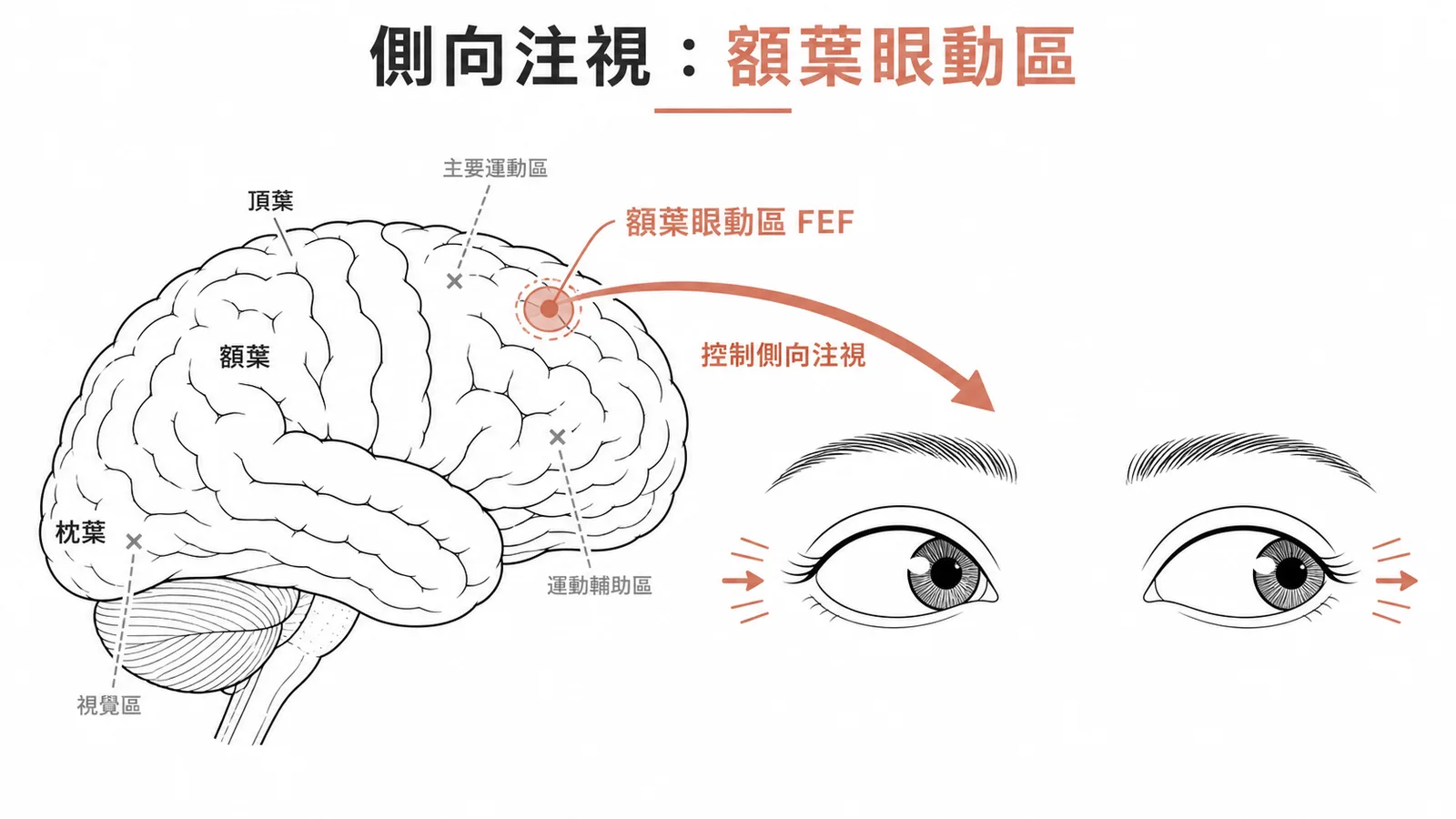
選項拆解
【110-2 醫學(一) 第13題】下列何種訊息不經由丘腦(thalamus)投射至大腦皮質?
詳解
破題關鍵
所有感覺訊息(除了嗅覺)在到達大腦皮質前,都必須先經過丘腦的「中繼站」。
選項拆解
【110-2 醫學(一) 第12題】下列何者不是大腦白質(white matter)中的聯合纖維(association fiber)?
詳解
破題關鍵
胼胝體是連接左右大腦半球的,屬於聯合纖維,而不是連接同側大腦不同區域的聯合纖維。
選項拆解
【110-1 醫學(一) 第18題】關於大腦皮質之布洛卡區(Broca's area)的敘述,下列何者錯誤?
詳解
破題關鍵
布洛卡區是語言表達區,位於額葉,不是顳葉。
選項拆解
【110-1 醫學(一) 第14題】下列何構造可接受光線刺激,調節人體晝夜節律?
詳解
破題關鍵
人體的「主時鐘」位於下視丘,直接接收光線訊息。
選項拆解
【109-2 醫學(一) 第16題】下列何構造不屬於外側嗅覺區(lateral olfactory area)?
詳解
破題關鍵
外側嗅覺區主要處理嗅覺的「意識」和「記憶」相關功能,前隔區則屬於較原始的嗅覺區。
選項拆解
【109-2 醫學(一) 第14題】胼胝體(corpus callosum)的主要血流供給來自下列何動脈?
詳解
破題關鍵
胼胝體大部分的血流供應來自大腦前動脈。
選項拆解
【109-1 醫學(一) 第17題】基底核(basal ganglia)的直接迴路(direct pathway)不經過下列何構造?
詳解
破題關鍵
直接迴路是「促進」運動的,它會抑制蒼白球內側部,進而讓丘腦興奮,不經過丘腦下核。
選項拆解
【109-1 醫學(一) 第15題】丘腦內側膝狀體(medial geniculate body of thalamus),主要投射至下列何處?
詳解
破題關鍵
丘腦的膝狀體是感覺訊息的中繼站,內側膝狀體負責聽覺。
選項拆解
【109-1 醫學(一) 第14題】關於基底核(basal ganglia)之敘述,下列何者錯誤?
詳解
破題關鍵
基底核的直接和間接迴路,都受到黑質的影響,只是作用方式不同。
選項拆解
【109-1 醫學(一) 第1題】下列何者供應內囊後支(posterior limb of internal capsule)之血流?
詳解
破題關鍵
內囊後支的血供是神經解剖學的重點,需要記住主要供應動脈。
選項拆解
【108-2 醫學(一) 第15題】關於大腦皮質Brodmann area 4之敘述何者錯誤?
詳解
破題關鍵
Brodmann area 4 是初級運動皮質,位於前中央迴。
選項拆解
【108-2 醫學(一) 第11題】小腦的齒狀核-紅核-丘腦徑(dentato-rubro-thalamic tract),行經下列何構造?
詳解
破題關鍵
小腦的輸出路徑主要經由上小腦腳。
選項拆解
【108-1 醫學(一) 第16題】海⾺(hippocampus)最主要之傳入纖維(afferent fiber)來⾃何處?
詳解
破題關鍵
海馬迴是記憶的關鍵,而內鼻皮質是海馬迴接收訊息的主要入口。
選項拆解
【108-1 醫學(一) 第13題】關於視覺⽪質(visual cortex)的敘述,下列何者錯誤?
詳解
破題關鍵
視覺皮質主要位於大腦後方的枕葉,而不是額葉。
選項拆解
【108-1 醫學(一) 第12題】下列何者之功能與邊緣系統(limbic system)最不相關?
詳解
破題關鍵
邊緣系統主要掌管情緒、記憶和學習,而杏仁核是邊緣系統的核心成員,所以題目問最不相關,杏仁核反而是最相關的。
選項拆解
【107-2 醫學(一) 第16題】有關海馬系統(hippocampal formation)之最主要傳出纖維(efferent fiber),可形成下列何構造?
詳解
破題關鍵
海馬系統(hippocampal formation)是記憶的關鍵,它的主要輸出路徑是什麼?
選項拆解
【107-1 醫學(一) 第12題】關於韁核(habenular nucleus)的敘述,下列何者錯誤?
詳解
破題關鍵
韁核主要功能是情緒、獎勵和厭惡反應的調控,與記憶形成無直接關聯。
選項拆解
【107-1 醫學(一) 第1題】腦中風病患到院時兩眼同時看向右側,下列何者最可能受破壞?
詳解
破題關鍵
中風造成眼睛偏向病灶側,通常是額葉的眼動區受損。
選項拆解
【106-2 醫學(一) 第13題】下列何者不屬於紋狀體(corpus striatum)?
詳解
破題關鍵
紋狀體主要指大腦皮質下的兩個核團:尾狀核和殼部,黑質不屬於紋狀體。
選項拆解
【106-2 醫學(一) 第1題】下列何者不屬於功能性的邊緣系統(limbic system)?
詳解
破題關鍵
這題的重點是辨識出哪個腦部結構主要功能與情緒、記憶無關,因此不屬於邊緣系統。
選項拆解
【106-1 醫學(一) 第14題】初級視覺皮質(primary visual cortex)位於下列何Brodmann area?
詳解
破題關鍵
這題考你初級視覺皮質的Brodmann編號,這是神經解剖學中需要記憶的重點區域。
選項拆解
【106-1 醫學(一) 第11題】下列何構造損傷,最可能導致感覺型失語症(sensory aphasia)?
詳解
破題關鍵
感覺型失語症的核心就是聽不懂、看不懂別人說什麼或寫什麼,而負責理解語言的腦區就是渥尼克區。
選項拆解
大腦(cerebrum)和間腦(diencephalon)合稱前腦(prosencephalon),包含大腦皮質、基底核、丘腦、下丘腦和邊緣系統。
這些結構負責意識、語言、運動規劃、感覺整合、情緒和內分泌調控,是國考神經解剖出題的核心區域。
大腦皮質的每個區域有特定功能,損傷位置不同就會出現不同的臨床症狀。
初級運動皮質(primary motor cortex, Brodmann area 4)在中央前回(precentral gyrus),控制對側身體的隨意動作。皮質上有 somatotopic organization——臉和手占的面積最大(精細動作多),下肢的代表區在大腦縱裂的內側面。
初級感覺皮質(primary somatosensory cortex, BA 3, 1, 2)在中央後回(postcentral gyrus),接收對側身體的觸覺、本體感覺、痛覺和溫度覺,同樣有體部位對應排列。
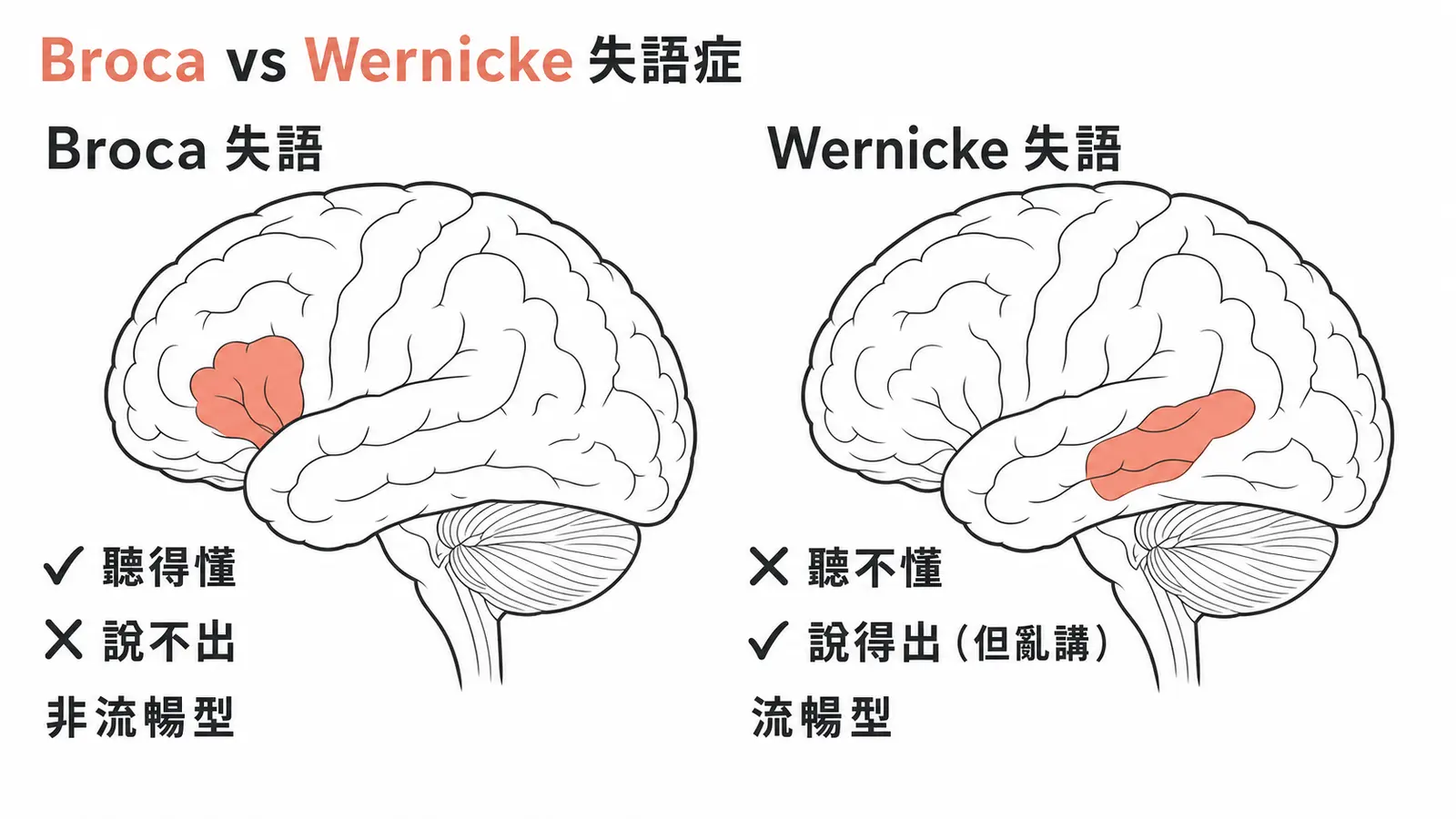
Broca's area 在優勢半球(通常左側)的下額回(inferior frontal gyrus, BA 44, 45),負責語言的「產出」——組織語句、驅動說話的運動程序。
損傷後出現 Broca's aphasia:聽得懂別人說什麼,但自己說不出流暢的句子(non-fluent aphasia),說話費力、電報式。
Wernicke's area 在優勢半球的後上顳回(posterior superior temporal gyrus, BA 22,延伸至 39, 40),負責語言的「理解」——解碼聽到的語音。
損傷後出現 Wernicke's aphasia:說話流利但內容錯亂無意義(fluent aphasia),病人不自覺有問題,常出現 neologism(自創詞)。
連接 Broca's 和 Wernicke's 的白質纖維束是弓狀束(arcuate fasciculus)。損傷造成 conduction aphasia:聽得懂、也能說,但「覆述」(repetition)特別差。
基底核(basal ganglia)是埋在大腦深處的一群灰質核團,負責調控動作的啟動和抑制。
主要成員包括尾核(caudate nucleus)、殼核(putamen)、蒼白球(globus pallidus)、黑質(substantia nigra)和丘腦下核(subthalamic nucleus, STN)。
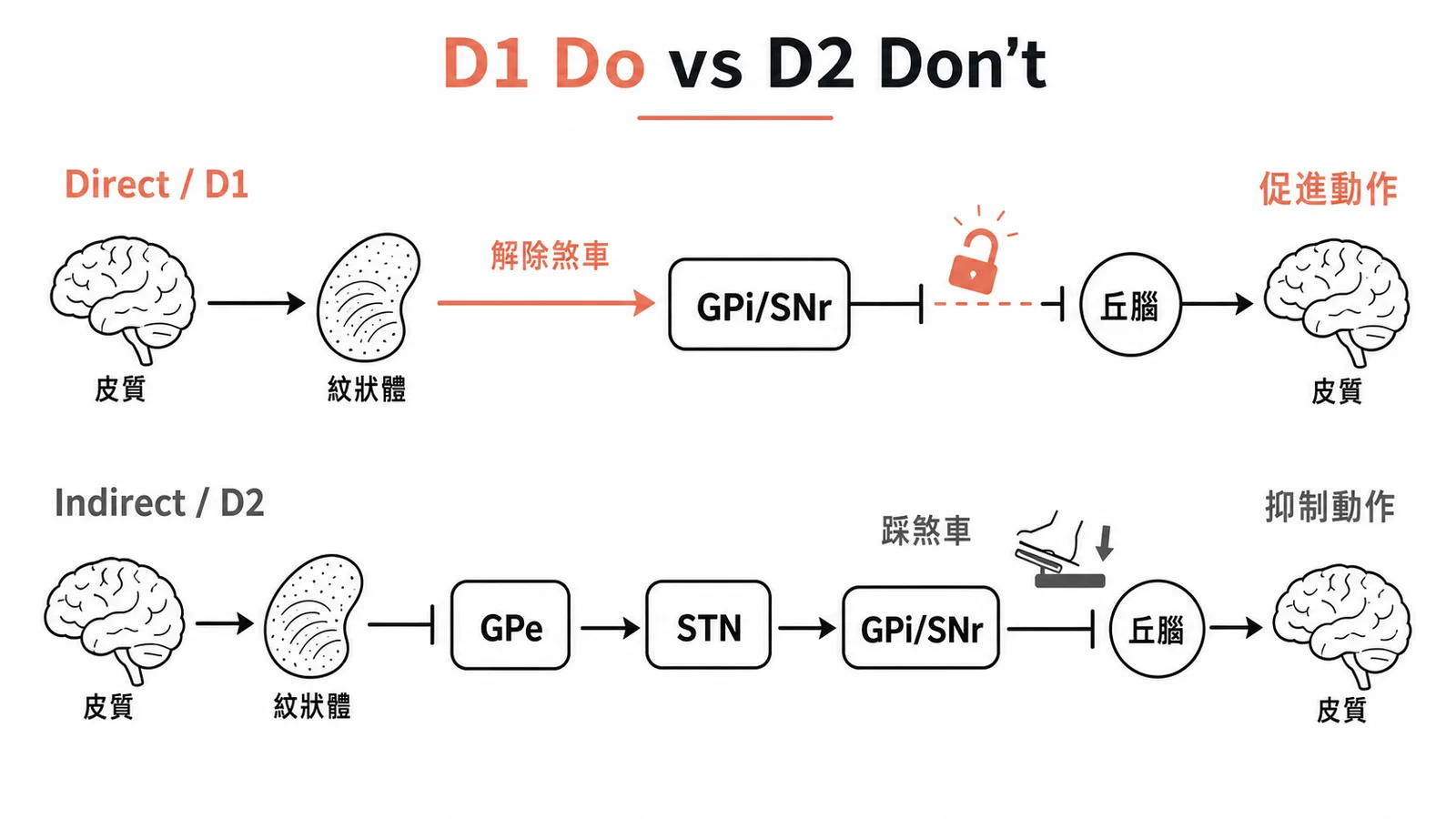
尾核加殼核合稱紋狀體(striatum),是基底核的「輸入站」——接收大腦皮質送來的訊號。蒼白球內段(GPi)和黑質網狀部(SNr)是「輸出站」,把處理結果送往丘腦。
Direct pathway(直接通路)走 D1 receptor:皮質 → 紋狀體 → 直接抑制 GPi/SNr → GPi/SNr 對丘腦的抑制減弱 → 丘腦活化 → 促進動作。簡單說就是「解除煞車」讓動作發生。
Indirect pathway(間接通路)走 D2 receptor:皮質 → 紋狀體 → GPe → STN → 加強 GPi/SNr 的輸出 → 丘腦抑制增強 → 動作被壓制。這條路是「踩煞車」。
黑質緻密部(SNc)釋放多巴胺到紋狀體,同時興奮 D1(促直接通路)和抑制 D2(壓間接通路),淨效果是促進動作。
Parkinson's disease 的核心病理是 SNc 多巴胺神經元退化。多巴胺不夠 → direct pathway 活性下降 + indirect pathway 過度活化 → bradykinesia(動作慢)、rigidity(僵直)、resting tremor(靜止性震顫)、postural instability(姿態不穩)。
Huntington's disease 是紋狀體的中型棘突神經元(medium spiny neurons)退化,跟 CAG trinucleotide repeat expansion 有關。早期先死掉的是 indirect pathway 的神經元 → 煞車失靈 → direct pathway 相對過強 → chorea(舞蹈症)。晚期 direct pathway 也退化,動作反而變慢變僵。
Hemiballismus 是 STN 損傷(通常是 lacunar stroke)。STN 本來負責驅動 indirect pathway 的煞車,壞掉後煞車失效 → 對側肢體出現猛烈的甩動(flinging)動作。
內囊(internal capsule)位在丘腦/尾核和豆狀核之間的白質帶,後肢帶 corticospinal tract 和 corticobulbar tract,是運動訊號從皮質到腦幹和脊髓的必經之路。供血來源包括 MCA 的紋狀體動脈(lenticulostriate arteries)和前脈絡叢動脈(anterior choroidal artery)。小血管梗塞造成對側偏癱,是 lacunar stroke 最常見的表現之一。
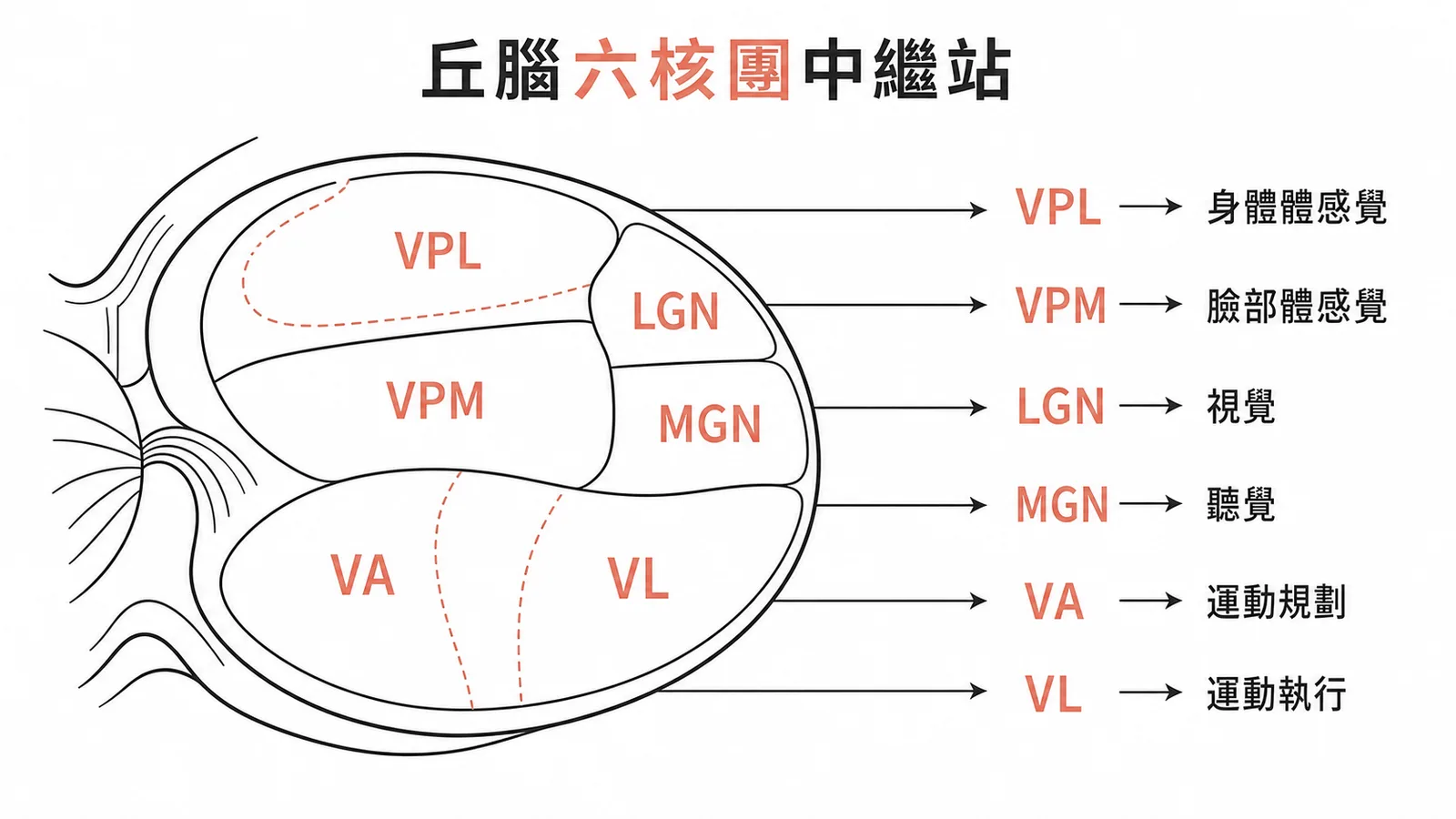
丘腦(thalamus)是幾乎所有感覺訊號(嗅覺除外)進入大腦皮質前的最後一站。不同的核團負責中繼不同類型的訊息。
VPL(ventral posterolateral nucleus)接收來自身體的體感覺。輸入來源是內側蹄系(medial lemniscus,傳精細觸覺和本體感覺)和脊髓丘腦徑(spinothalamic tract,傳痛覺和溫度覺),投射到中央後回的體感覺皮質。
VPM(ventral posteromedial nucleus)接收來自臉部的體感覺。輸入是三叉神經徑路(trigeminal pathway),投射到體感覺皮質的臉部代表區。
LGN(lateral geniculate nucleus)是視覺的中繼站。接收視網膜的訊號(經 optic tract),投射到初級視覺皮質 V1(Brodmann area 17,枕葉距狀裂 calcarine cortex)。
MGN(medial geniculate nucleus)是聽覺的中繼站。接收下丘(inferior colliculus)的訊號,投射到初級聽覺皮質 A1(上顳回)。
VA(ventral anterior nucleus)接收基底核輸出(GPi、SNr)的訊號,投射到前運動皮質和輔助運動區(SMA)。
VL(ventral lateral nucleus)接收 GPi/SNr 的訊號,也接收小腦深層核(deep cerebellar nuclei)的輸入,投射到初級運動皮質和前運動皮質。
一句話分清楚:感覺走 VP 系列和膝狀體(VPL/VPM/LGN/MGN),運動走 VA/VL。小腦的運動校正訊號也透過 VL 到達運動皮質。
丘腦前核(anterior nucleus)接收乳頭體經乳頭丘腦徑(mammillothalamic tract)的投射,是 Papez circuit 的一環,參與記憶和情緒處理。
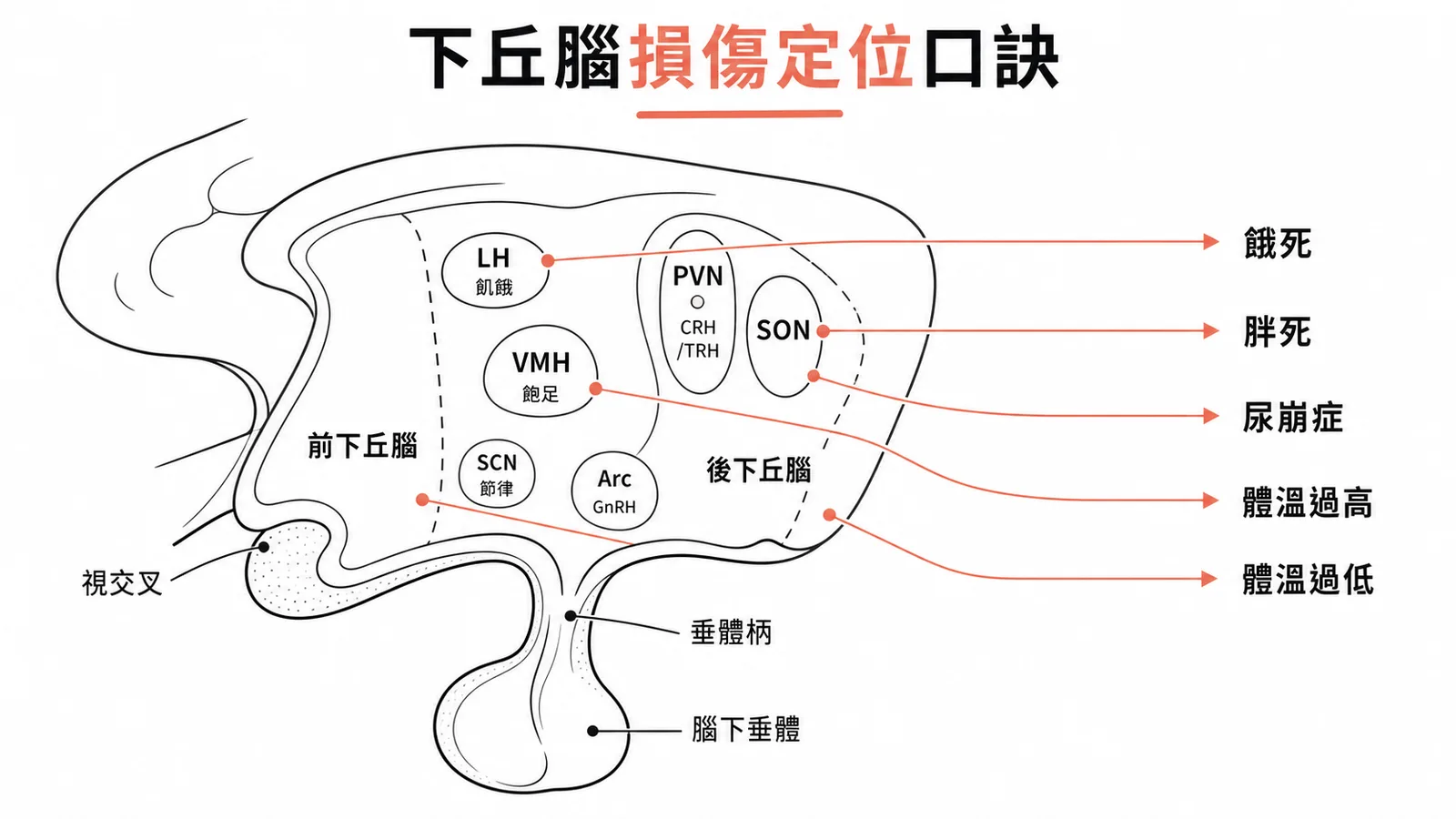
下丘腦(hypothalamus)體積很小,不到全腦的 1%,但管的事情很多:自主神經、內分泌、體溫、食慾、睡眠、情緒。
外側下丘腦(lateral hypothalamus)是飢餓中樞,促進食慾和維持清醒。損傷後動物不吃不喝(anorexia),消瘦而死。
腹內側下丘腦(ventromedial hypothalamus, VMH)是飽足中樞,感應「吃飽了」的訊號。損傷後停不下來一直吃(hyperphagia),變得極度肥胖。
視交叉上核(suprachiasmatic nucleus, SCN)是生理時鐘的主節律器。接收視網膜光線訊號,輸出到松果體調控 melatonin 分泌,建立 24 小時的晝夜節律(circadian rhythm)。
視上核(supraoptic nucleus)合成 vasopressin(ADH)和 oxytocin,沿軸突運送到腦下垂體後葉(posterior pituitary)釋放。損傷造成中樞性尿崩症(central diabetes insipidus)——排出大量稀釋尿液、血鈉上升。
室旁核(paraventricular nucleus)也合成 vasopressin 和 oxytocin,同時製造 CRH 和 TRH,經正中隆起(median eminence)釋放到垂體門脈系統,調控腎上腺和甲狀腺軸。
弓狀核(arcuate nucleus)製造多巴胺(抑制泌乳素分泌)、GnRH、GHRH,以及控制食慾的兩組拮抗訊號——POMC/α-MSH 抑制食慾,NPY/AgRP 促進食慾。
前下丘腦(anterior hypothalamus)負責散熱反應——血管擴張、出汗——也管副交感功能。損傷後身體無法散熱,導致高體溫(hyperthermia)。
後下丘腦(posterior hypothalamus)負責產熱保溫——顫抖、血管收縮——也透過釋放組織胺維持清醒。損傷後無法產熱,導致低體溫(hypothermia)加上嗜睡(somnolence)。
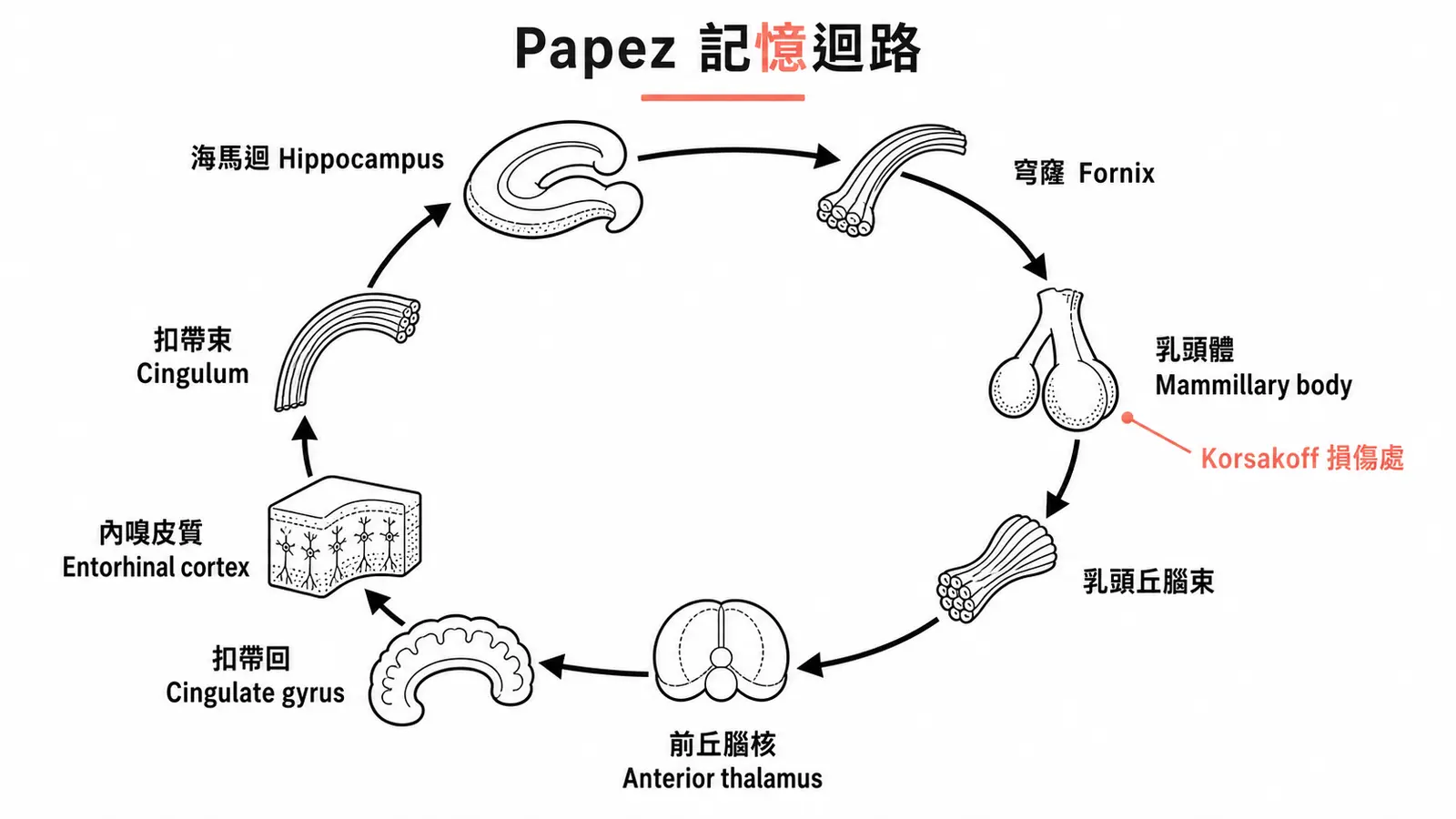
邊緣系統(limbic system)是環繞在胼胝體周圍的一組結構,負責情緒、記憶和動機行為。主要成員包括海馬迴(hippocampus)、杏仁核(amygdala)、扣帶回(cingulate gyrus)、乳頭體(mammillary body)和隔區(septal area)。
Papez circuit 是最經典的記憶迴路:海馬迴 → 穹窿(fornix)→ 乳頭體 → 乳頭丘腦徑(mammillothalamic tract)→ 丘腦前核 → 扣帶回 → 扣帶束(cingulum)→ 內嗅皮質(entorhinal cortex)→ 回到海馬迴。
這條環路對記憶鞏固(consolidation)和情緒處理都很關鍵。環路上任何一點損傷都可能造成前向失憶(anterograde amnesia)。
最典型的例子是 Korsakoff syndrome:長期酒精濫用 → thiamine(B1)缺乏 → 乳頭體和丘腦背內側核壞死 → 嚴重前向失憶加虛構記憶(confabulation)。通常緊接在 Wernicke encephalopathy(急性混亂、眼肌麻痺、步態不穩)之後。
海馬迴接收內嗅皮質經穿通路徑(perforant pathway)送來的訊號,經過三突觸迴路(trisynaptic circuit)處理:內嗅皮質 → 齒狀回(dentate gyrus)→ CA3 → CA1 → 海馬下托(subiculum)。輸出經穹窿投射到乳頭體、隔區和丘腦前核。
海馬迴是形成陳述性記憶(declarative memory)的關鍵結構。雙側損傷會造成嚴重的前向失憶——記不住新事物,但已鞏固在皮質的舊記憶通常保留。
杏仁核(amygdala)是情緒記憶和恐懼制約(fear conditioning)的核心,有兩條主要的傳出路徑。
終紋(stria terminalis)從杏仁核的內側和中央核出發,投射到下丘腦、終紋床核(bed nucleus of stria terminalis, BNST)和隔區,調控情緒刺激引起的自主神經和內分泌反應。
腹側杏仁逃逸徑(ventral amygdalofugal pathway)從基底外側核出發,擴散投射到下丘腦、丘腦、伏隔核(nucleus accumbens)和前額葉皮質,負責情緒學習、恐懼制約和獎賞處理。
雙側杏仁核損傷會出現 Kluver-Bucy syndrome:什麼都放嘴巴(hyperorality)、性行為失控(hypersexuality)、看到東西卻認不出意義(visual agnosia)、情緒反應遲鈍。最常見的病因是雙側顳葉損傷,例如 HSV encephalitis 好犯顳葉,術後或感染後都可能出現。
| 損傷部位 | 臨床表現 | 考題線索 |
|---|---|---|
| Broca's area(左下額回 BA 44, 45) | Non-fluent aphasia:聽懂但說不出 | 電報式語言、病人挫折感強 |
| Wernicke's area(左後上顳回 BA 22) | Fluent aphasia:說流利但胡言亂語 | Neologism、不自覺有問題 |
| 弓狀束(arcuate fasciculus) | Conduction aphasia:覆述特差 | 聽得懂也能說,repeat 困難 |
| SNc(黑質緻密部) | Parkinson's disease | Bradykinesia + rigidity + resting tremor |
| 紋狀體(indirect pathway 先退化) | Huntington's disease | Chorea + CAG repeat + 家族史 |
| STN(丘腦下核) | Hemiballismus:對側猛烈甩動 | Lacunar stroke、急性發作 |
| 內囊後肢 | 對側 pure motor hemiparesis | Lacunar stroke |
| Mammillary body | Korsakoff syndrome | 酒精史、thiamine 缺乏、confabulation |
| 雙側海馬迴 | 嚴重前向失憶 | 新記憶不能形成、舊記憶保留 |
| 雙側杏仁核 | Kluver-Bucy syndrome | Hyperorality + hypersexuality |
| Lateral hypothalamus | Anorexia、消瘦 | 拒食 |
| Ventromedial hypothalamus | Hyperphagia、肥胖 | 吃不停 |
| Supraoptic / paraventricular nucleus | Central diabetes insipidus | 多尿、低比重尿、高血鈉 |
| Anterior hypothalamus | Hyperthermia | 無法散熱 |
| Posterior hypothalamus | Hypothermia + somnolence | 無法產熱、嗜睡 |